

Fresh Israeli Salads

Dive into the colorful and flavorful world of Fresh Israeli Salads. These salads are not just a treat for the taste buds but also a way to connect with the heart of Israel. Each recipe is crafted with love, using fresh ingredients that tell a story of tradition and community. Whether you're looking for a light lunch or a side dish for your dinner, these salads bring a touch of Israeli warmth to your table. Enjoy the freshness and support the hardworking families behind each ingredient.
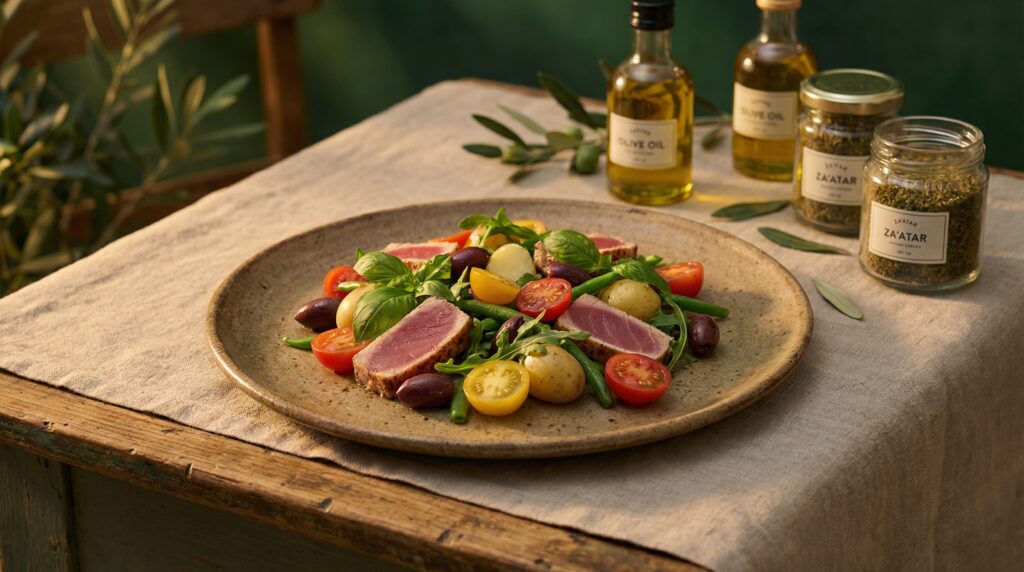
Image illustrating:Discover the Deconstructed Nicoise Salad

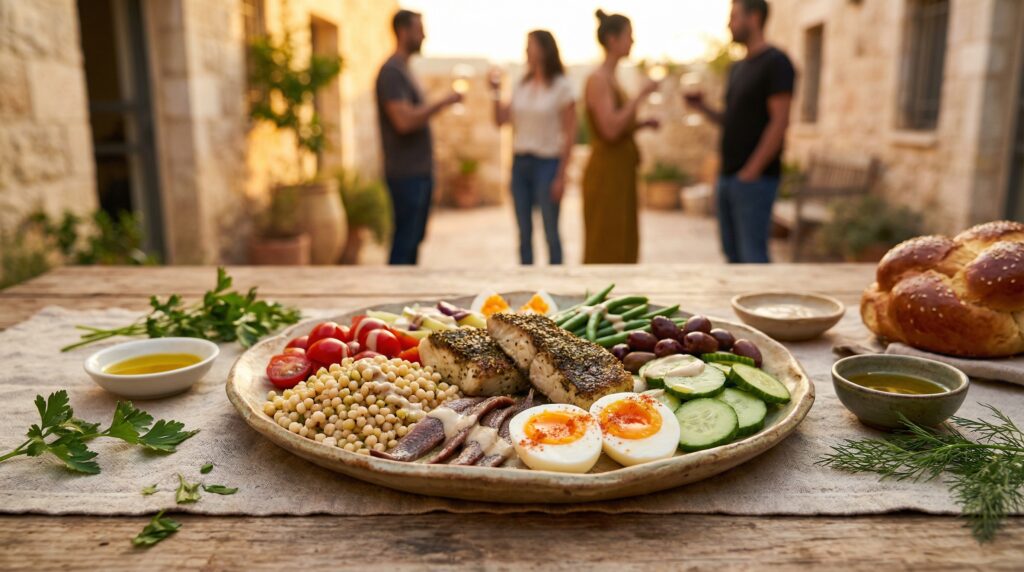
Discover the Deconstructed Nicoise Salad

Originating from the French Riviera, the traditional Nicoise salad is a staple in Mediterranean cuisine. It typically includes tuna, hard-boiled eggs, olives, and anchovies, all tossed together. However, the deconstructed version allows each ingredient to shine individually, offering a unique taste experience with every bite. This approach not only highlights the freshness of each component but also allows for a more personalized dining experience. Diners can mix and match the ingredients according to their preferences, creating a salad that is uniquely theirs. This method of serving has gained popularity in recent years, especially among those who appreciate culinary artistry. In...
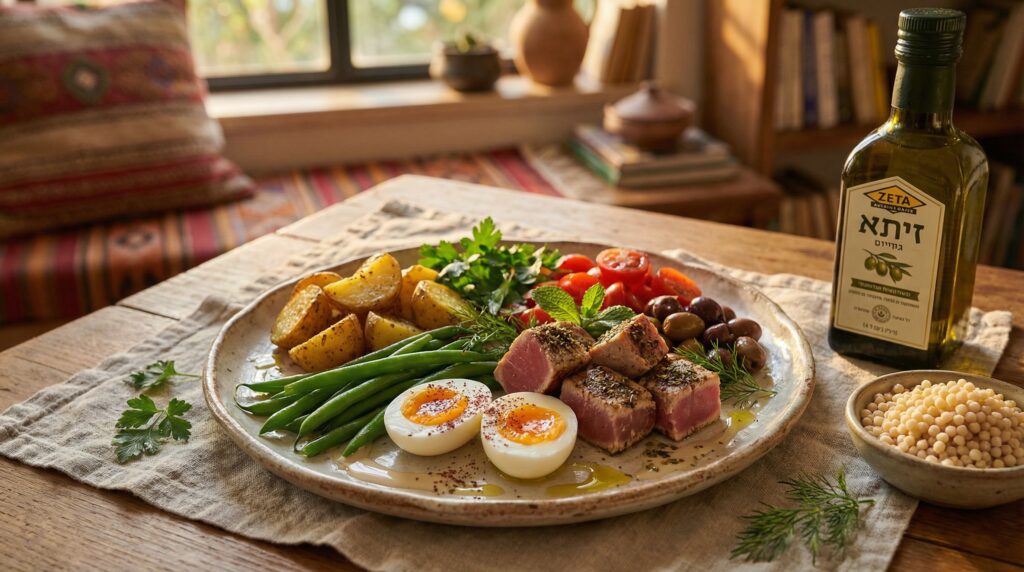
Image illustrating:Deconstructed Nicoise Salad with an Israeli Twist

Deconstructed Nicoise Salad with an Israeli Twist

Traditionally, the Nicoise salad is a composed salad, meaning its ingredients are artfully arranged rather than tossed together. This method highlights each component’s unique flavor and texture, making it a feast for both the eyes and the palate. In Israel, salads are a staple of the diet, often featuring fresh, local produce. The deconstructed Nicoise salad takes inspiration from this, incorporating vibrant Israeli ingredients while maintaining the essence of the original dish. The deconstructed approach allows for creativity and personalization, encouraging cooks to experiment with different combinations of ingredients. This flexibility is a hallmark of Israeli cuisine, which celebrates diversity...
Image illustrating:Deconstructed Nicoise Salad with an Israeli Twist

Deconstructed Nicoise Salad with an Israeli Twist

The traditional Nicoise salad is a staple in French cuisine, known for its fresh ingredients and simple preparation. It typically includes tomatoes, hard-boiled eggs, Niçoise olives, anchovies, and dressed with olive oil. This salad reflects the Mediterranean diet, celebrated for its health benefits and vibrant flavors. Over time, the Nicoise salad has been adapted in various cultures, each adding its unique twist. In Israel, the salad is often deconstructed to highlight individual ingredients. This approach not only enhances the visual appeal but also allows each component to shine, offering a burst of flavor with every bite. The Israeli version of...
Image illustrating:Refreshing Israeli Carrot Salad Recipe

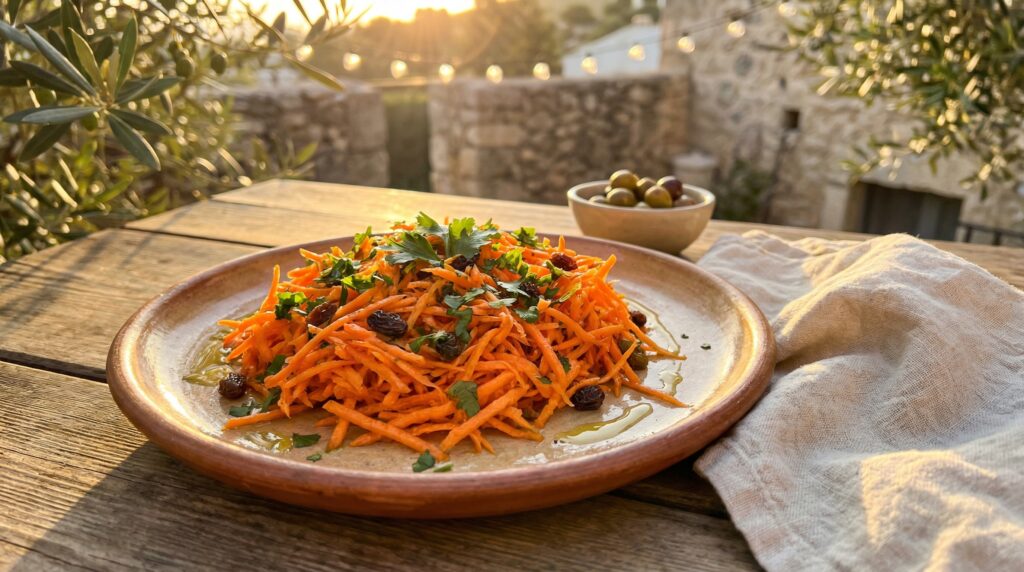
Refreshing Israeli Carrot Salad Recipe

Carrots have been cultivated in the Middle East for centuries, making their way into various traditional dishes. The Israeli carrot salad is a testament to this rich history, blending simple ingredients to create a refreshing dish that is both nutritious and delicious. The salad’s origins can be traced back to the diverse culinary influences in Israel, where fresh produce is a key component of daily meals. Carrots, known for their vibrant color and sweet taste, are often used in salads, providing a crunchy texture and a burst of flavor. In Israeli cuisine, salads are more than just side dishes; they...

Ashkenazi Traditional Dishes

Dive into the comforting world of Ashkenazi traditional dishes, where each recipe tells a story of heritage and family. From hearty stews to delicate pastries, these recipes bring the warmth of home and the richness of culture to your table. Perfect for sharing with loved ones, these dishes are a testament to the enduring spirit and flavors of Ashkenazi cuisine.
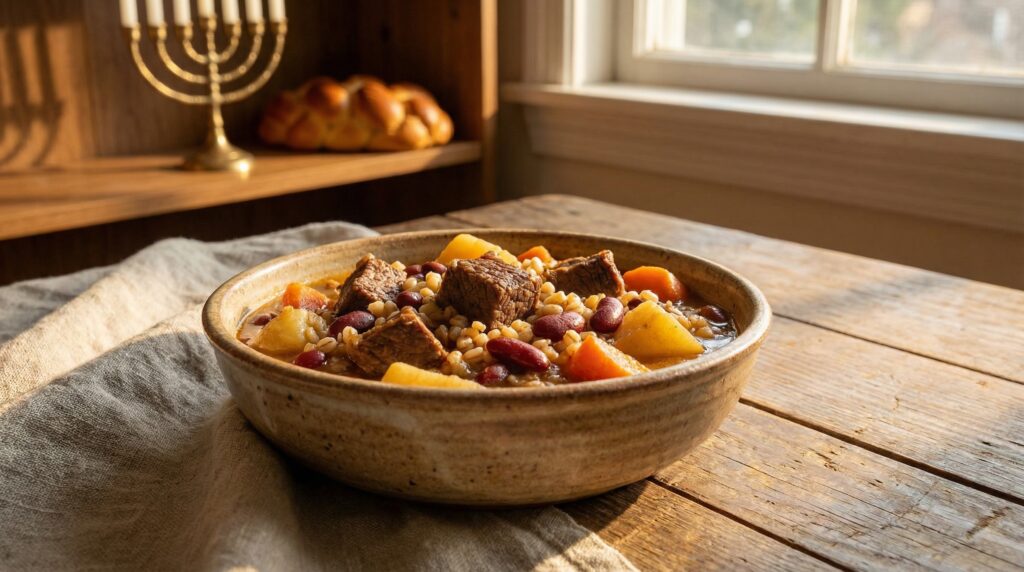
Image illustrating:Hearty Vegetarian Cholent for Cozy Gatherings

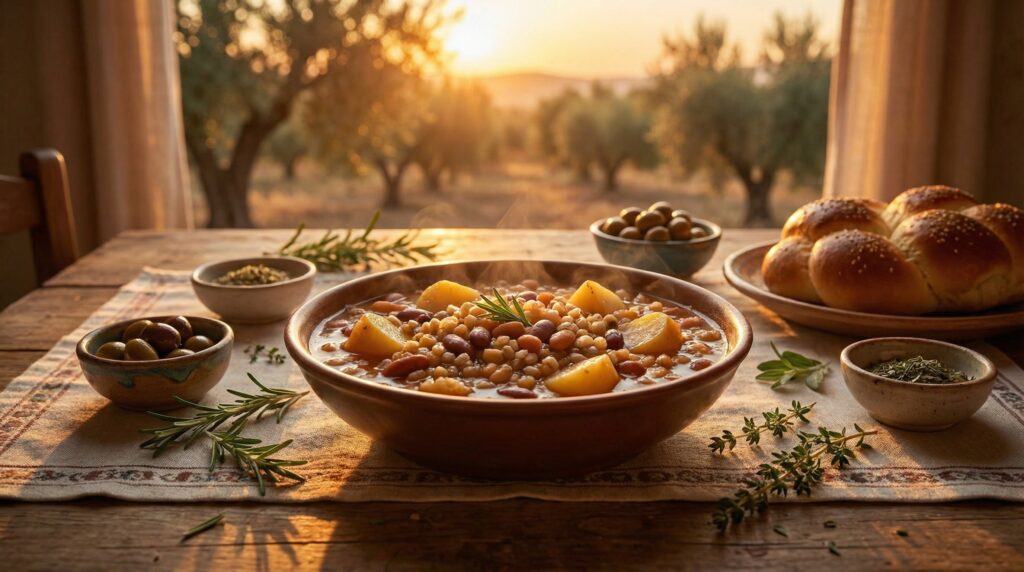
Hearty Vegetarian Cholent for Cozy Gatherings

Originating in Eastern Europe, cholent is a dish deeply rooted in Jewish tradition. It was created to adhere to the religious laws prohibiting cooking on the Sabbath. Families would prepare the dish on Friday and let it simmer overnight, ready to be enjoyed on Saturday. This slow-cooked meal became a symbol of warmth and community, bringing families together around the table. The ingredients of cholent vary by region, reflecting the diverse cultures within the Jewish diaspora. In Eastern Europe, beans, barley, and potatoes were commonly used, while Sephardic Jews might include rice and chickpeas. The dish’s adaptability made it a...
Image illustrating:Discover the Rich History of Kugel

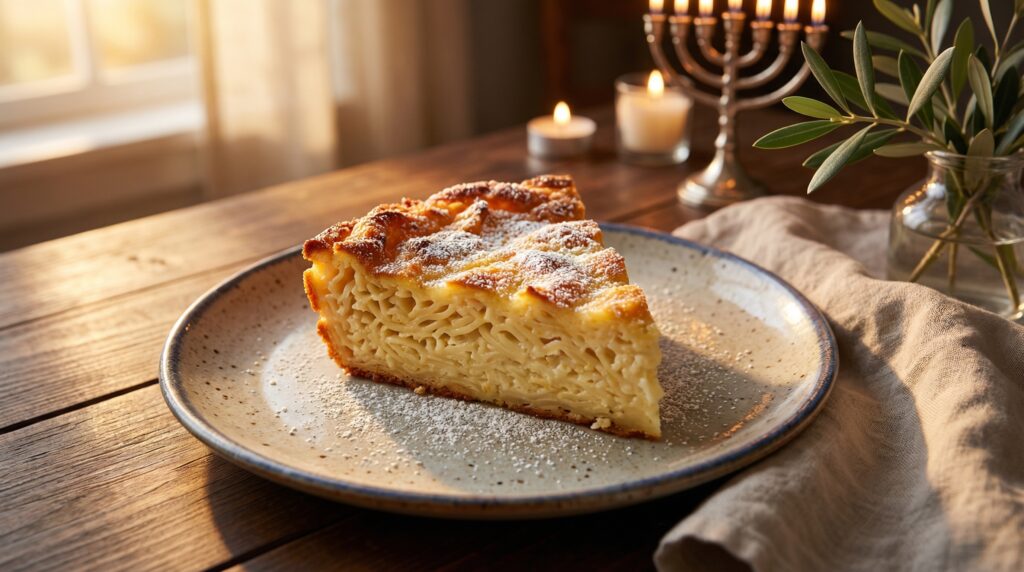
Discover the Rich History of Kugel

The word ‘kugel’ comes from the German word for ‘sphere,’ reflecting its original round shape. Over time, kugel has evolved into various forms, including noodle and potato versions, each with its unique flavor profile. This dish became a symbol of comfort and tradition, often served during Shabbat and Jewish holidays. In the 12th century, kugel was initially a bread-based pudding. As it spread through Eastern Europe, ingredients like noodles and potatoes were introduced, adapting to local tastes and available resources. The dish’s versatility allowed it to be both sweet and savory, catering to different preferences and occasions. By the 17th...
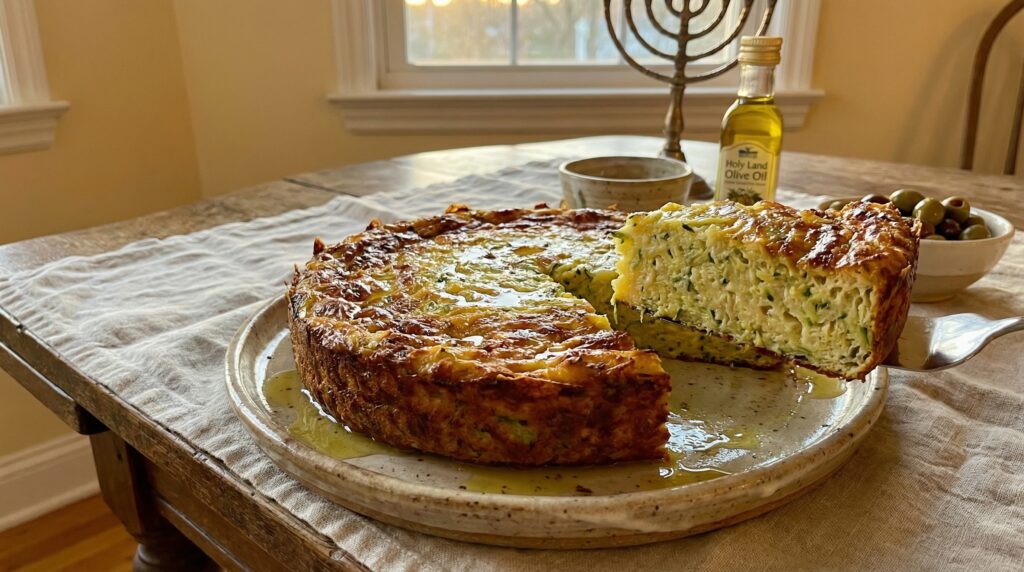
Image illustrating:Traditional Zucchini Kugel Delight

Traditional Zucchini Kugel Delight

Originating from Eastern Europe, kugel has been a staple in Jewish households for generations. Traditionally made with noodles or potatoes, the zucchini version offers a lighter, vegetable-rich alternative that has gained popularity over the years. Families often pass down their unique kugel recipes, each adding a personal touch to this classic dish. The word ‘kugel’ means ‘ball’ or ‘sphere’ in German, reflecting its original round shape. Over time, the dish evolved, and today it is commonly baked in rectangular or square pans. Zucchini kugel, in particular, is cherished for its versatility and the way it incorporates fresh, seasonal produce into...
Image illustrating:Traditional Ashkenazi Cholent Recipe

Traditional Ashkenazi Cholent Recipe

Originating in Eastern Europe, cholent is a dish deeply rooted in Jewish tradition. It was created to comply with religious laws prohibiting cooking on the Sabbath. Families would prepare the ingredients on Friday and let the dish cook slowly overnight, ready to be enjoyed on Saturday. This method not only adhered to religious practices but also enhanced the flavors, making cholent a beloved comfort food. The ingredients of cholent vary widely, reflecting the diverse communities that have adopted it. In Eastern Europe, beans, barley, and potatoes were common, while Sephardic versions might include rice or chickpeas. Despite these variations, the...

Israeli Baking & Breads

Dive into the world of Israeli baking, where each bread tells a story of tradition and warmth. From challah to pita, explore recipes that connect you to the heart of Israel.
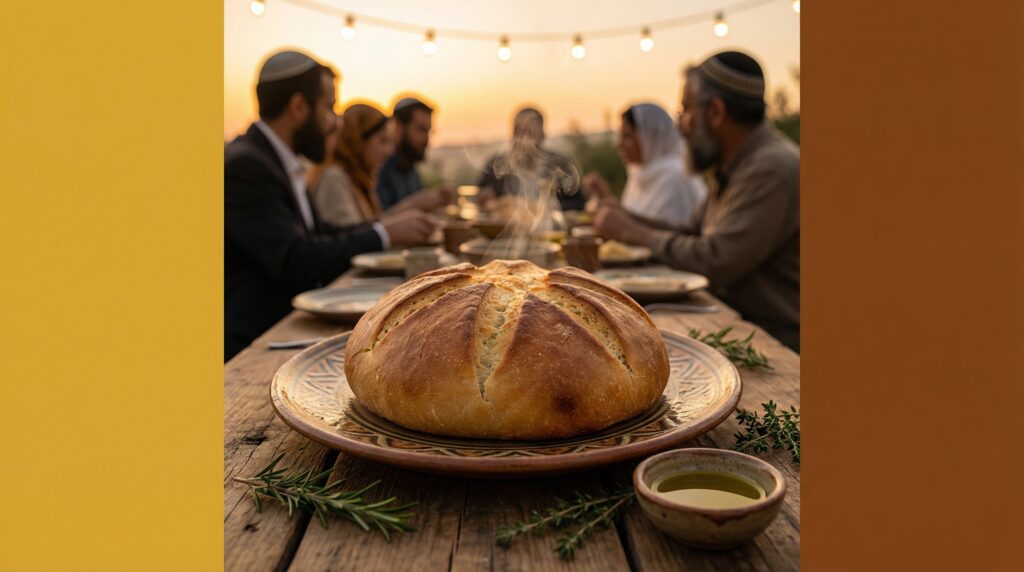
Image illustrating:Authentic Ethiopian Bread Dabo Recipe

Authentic Ethiopian Bread Dabo Recipe

Dabo, a traditional Ethiopian bread, has been a part of Ethiopian culinary heritage for centuries. Known for its unique texture and flavor, it is often baked for special occasions and family gatherings. The bread is typically made with simple ingredients, yet its preparation is considered an art form in Ethiopian households. The origins of dabo can be traced back to ancient Ethiopian traditions, where bread played a central role in communal meals. The process of making dabo involves a careful balance of ingredients and techniques passed down through generations. This bread is not just a food item but a symbol...
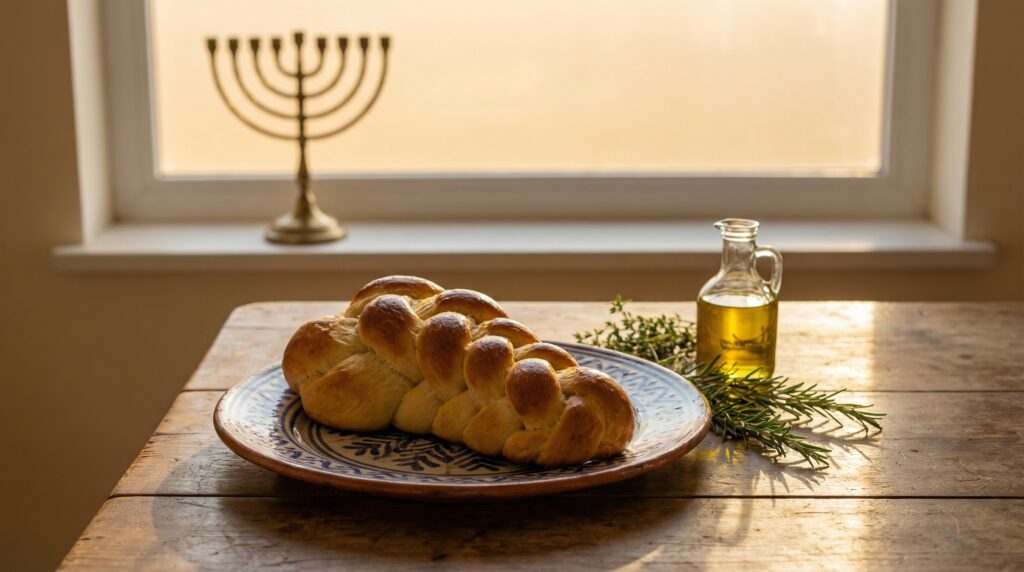
Image illustrating:Baking Shlissel Challah with Love and Tradition

Baking Shlissel Challah with Love and Tradition

The tradition of Shlissel Challah dates back centuries, with roots in Ashkenazi Jewish communities. It is typically baked on the first Shabbat after Passover, symbolizing a fresh start and the hope for a prosperous year ahead. The word ‘shlissel’ means ‘key’ in Yiddish, and the bread often features a key-shaped decoration or an actual key baked inside. This custom is deeply intertwined with the Jewish belief in the power of blessings and the hope for divine provision. The key symbolizes the unlocking of sustenance and abundance, a heartfelt wish for the family and community. It is a time when families...
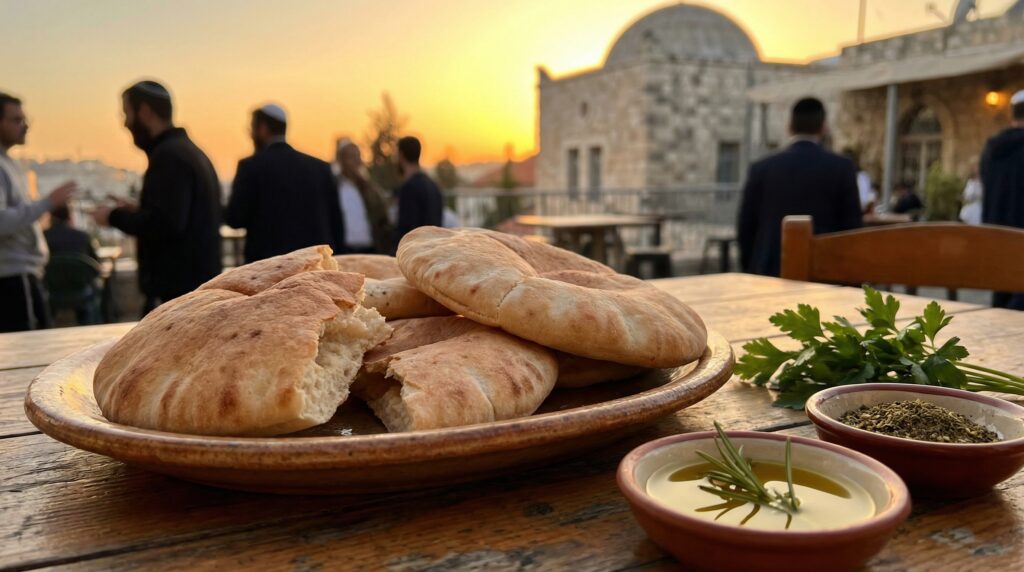
Image illustrating:Authentic Israeli Pita Bread Recipe

Authentic Israeli Pita Bread Recipe

The origins of pita bread can be traced back to ancient times, where it was a fundamental part of the diet in the Middle East. Its simple ingredients and versatile nature made it a popular choice among various cultures. In Israel, pita has evolved into a beloved bread, often used to scoop up hummus or filled with falafel. Its pocket-like structure makes it perfect for stuffing with a variety of fillings, reflecting the diverse culinary influences in the region. The process of making pita involves baking at high temperatures, which causes the dough to puff up and form a pocket....
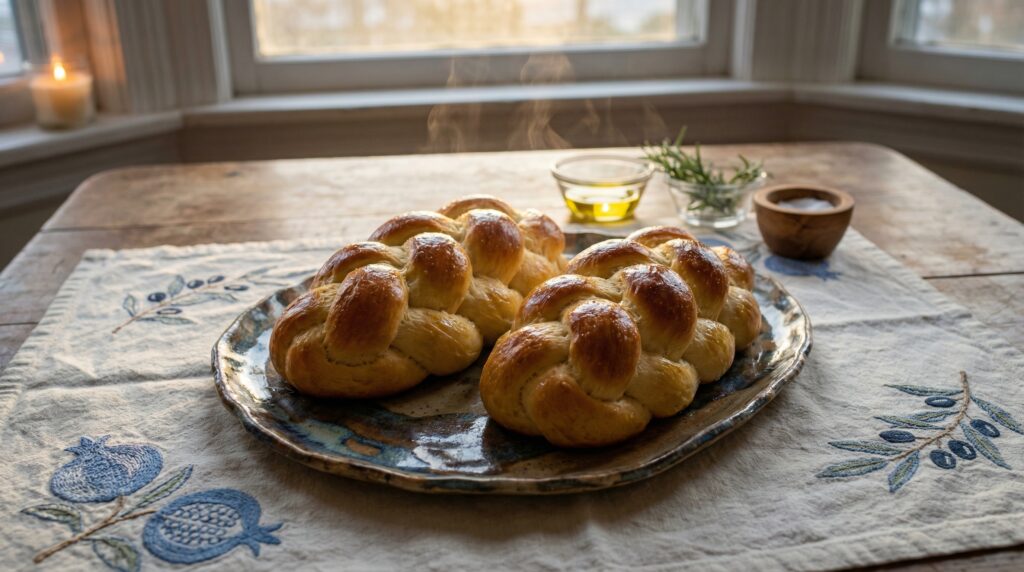
Image illustrating:Traditional Water Challah Baking Experience

Traditional Water Challah Baking Experience

The origins of challah date back centuries, with roots in Jewish tradition. This bread is often associated with Shabbat and holidays, symbolizing unity and community. The water challah, in particular, is known for its simplicity and purity, using basic ingredients to create something truly special. In Israel, challah is more than just a bread; it’s a symbol of cultural heritage. Families gather to bake it together, passing down recipes through generations. The process of making challah is seen as a bonding experience, connecting loved ones through shared tradition and taste. The water challah recipe is unique because it omits eggs,...