

Traditional Zucchini Kugel Delight
18 February 17:51
137
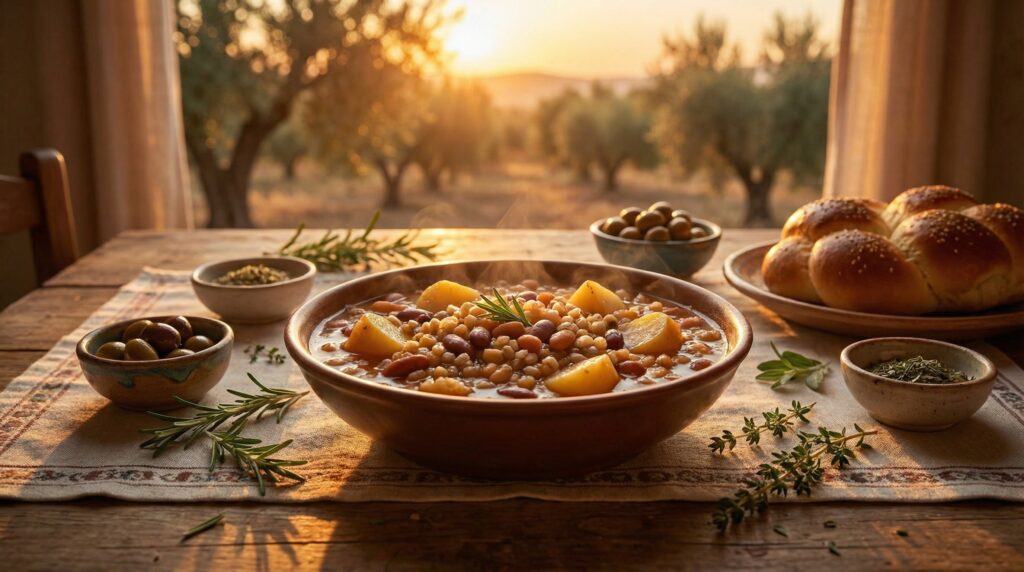

Originating in Eastern Europe, cholent is a dish deeply rooted in Jewish tradition. It was created to adhere to the religious laws prohibiting cooking on the Sabbath. Families would prepare the dish on Friday and let it simmer overnight, ready to be enjoyed on Saturday. This slow-cooked meal became a symbol of warmth and community, bringing families together around the table.
The ingredients of cholent vary by region, reflecting the diverse cultures within the Jewish diaspora. In Eastern Europe, beans, barley, and potatoes were commonly used, while Sephardic Jews might include rice and chickpeas. The dish’s adaptability made it a beloved staple, allowing each family to infuse their unique flavors and traditions.
Vegetarian cholent emerged as a modern twist on the classic recipe, catering to those seeking plant-based alternatives. By replacing meat with hearty vegetables and legumes, this version maintains the dish’s comforting essence while offering a lighter option. The rich flavors develop over hours of slow cooking, creating a satisfying and nourishing meal.
For many Jewish families, cholent is synonymous with the Sabbath. The aroma of the simmering stew fills the home, creating an atmosphere of anticipation and togetherness. As families gather to share this meal, they connect with their heritage, passing down stories and traditions from generation to generation.
The preparation of cholent is often a communal activity, with family members contributing their skills and knowledge. This collaborative effort not only strengthens family bonds but also ensures that the recipe is preserved and cherished. Each pot of cholent tells a story, reflecting the love and care that goes into its creation.
In recent years, vegetarian cholent has gained popularity beyond Jewish communities. Its hearty, comforting nature appeals to a wide audience, offering a taste of tradition with a modern twist. As more people embrace plant-based diets, vegetarian cholent stands as a testament to the adaptability and enduring appeal of this beloved dish.