

Traditional Zucchini Kugel Delight
18 February 17:51
137
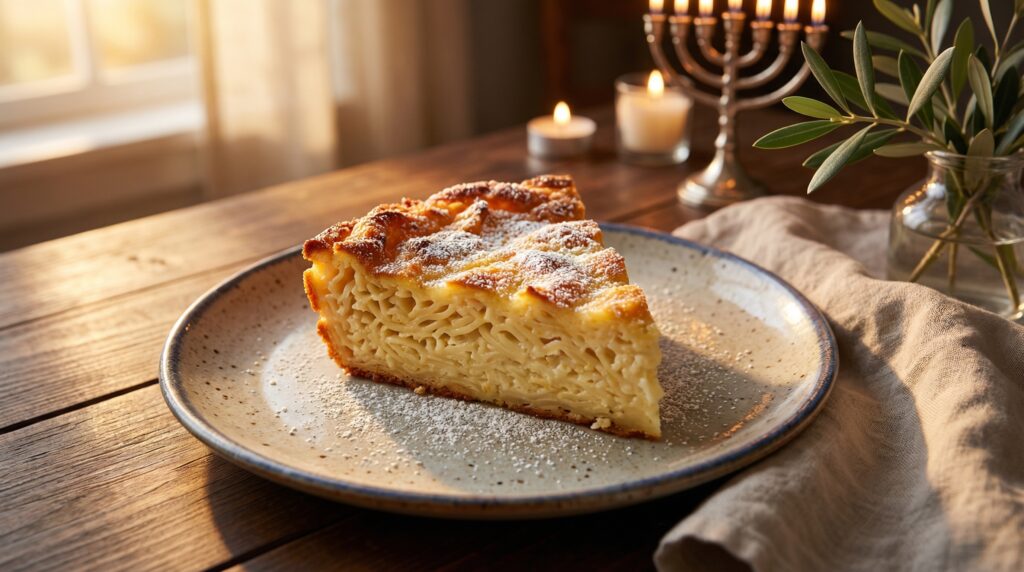

The word ‘kugel’ comes from the German word for ‘sphere,’ reflecting its original round shape. Over time, kugel has evolved into various forms, including noodle and potato versions, each with its unique flavor profile. This dish became a symbol of comfort and tradition, often served during Shabbat and Jewish holidays.
In the 12th century, kugel was initially a bread-based pudding. As it spread through Eastern Europe, ingredients like noodles and potatoes were introduced, adapting to local tastes and available resources. The dish’s versatility allowed it to be both sweet and savory, catering to different preferences and occasions.
By the 17th century, kugel had firmly established itself in Jewish culinary traditions. It was commonly baked in communal ovens, enhancing its role as a communal dish. Families would bring their kugel to the local bakery on Fridays, ensuring it was ready for Shabbat meals. This practice fostered a sense of community and shared heritage.
Modern kugel recipes reflect a blend of tradition and innovation. While classic recipes remain popular, contemporary versions incorporate diverse ingredients like spinach, cheese, and even quinoa. This adaptability keeps kugel relevant in modern kitchens, allowing each generation to make it their own while honoring its roots.
Kugel’s enduring popularity is a testament to its cultural significance and culinary appeal. It serves as a reminder of the resilience and adaptability of Jewish communities throughout history. Whether enjoyed as a sweet dessert or a savory side dish, kugel continues to bring families together, celebrating heritage and togetherness.
As kugel recipes are passed down through generations, they carry with them stories of family, faith, and tradition. Each kugel is a reflection of the cook’s personal touch, making it a unique expression of love and care. This personal connection to the dish is what makes kugel more than just a meal; it’s a cherished piece of cultural identity.
The process of making kugel is as much about the experience as it is about the final dish. Families gather in the kitchen, sharing stories and laughter as they prepare the ingredients. This communal activity strengthens bonds and creates lasting memories, reinforcing the dish’s role in family traditions.
Kugel’s simplicity is part of its charm. With basic ingredients like eggs, noodles, or potatoes, it transforms into a comforting dish that warms the heart and soul. Its versatility allows it to be served at any meal, from breakfast to dinner, making it a staple in many Jewish households.
The dish’s adaptability is evident in its many variations. From sweet noodle kugel with raisins and cinnamon to savory potato kugel with onions and herbs, each version offers a different taste experience. This diversity reflects the rich tapestry of Jewish culinary traditions, where each dish tells a story of migration, adaptation, and cultural exchange.