

Hearty Vegetarian Cholent for Cozy Gatherings
18 February 17:55
127
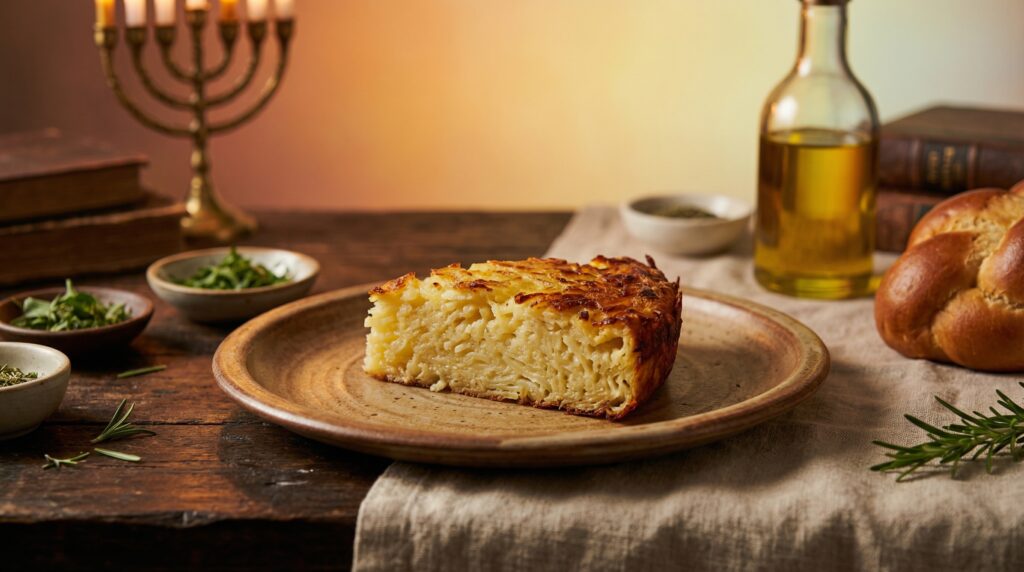

Originating in Eastern Europe, kugel was initially a savory dish made with bread and flour. Over time, it evolved into a versatile dish, incorporating noodles or potatoes, and sometimes sweetened with raisins or apples.
In Jewish culture, kugel is more than just a dish; it’s a symbol of tradition and family. Passed down through generations, each family has its own unique twist, making it a staple at Shabbat and holiday tables.
The name ‘kugel’ is derived from the German word for ‘sphere,’ reflecting its original round shape. As Jewish communities spread across the world, kugel adapted to local ingredients and tastes, resulting in a variety of delicious versions.
In Ashkenazi Jewish households, kugel is a beloved comfort food. Whether served as a side dish or a dessert, its hearty texture and rich flavors bring warmth and joy to any gathering.
The preparation of kugel is a communal activity, often involving multiple generations. Grandparents teach their grandchildren the secrets of the perfect kugel, ensuring that the tradition continues.
While traditionally baked in a round dish, modern kugel is often made in rectangular pans, making it easier to serve at large gatherings. This evolution reflects the adaptability and enduring popularity of the dish.
In some areas, kugel is made with potatoes and onions, offering a savory experience. In others, it’s sweetened with sugar and cinnamon, providing a delightful contrast to the main meal. This diversity showcases the creativity within Jewish culinary traditions.
The versatility of kugel allows it to be paired with a variety of dishes. Whether accompanying a roast or served as a standalone dish, kugel complements and enhances the flavors of any meal.
As Jewish communities continue to thrive worldwide, kugel remains a cherished link to the past. Its presence at family gatherings serves as a reminder of shared heritage and the enduring bonds of community.