
Authentic Ethiopian Bread Dabo Recipe
18 February 18:31
139
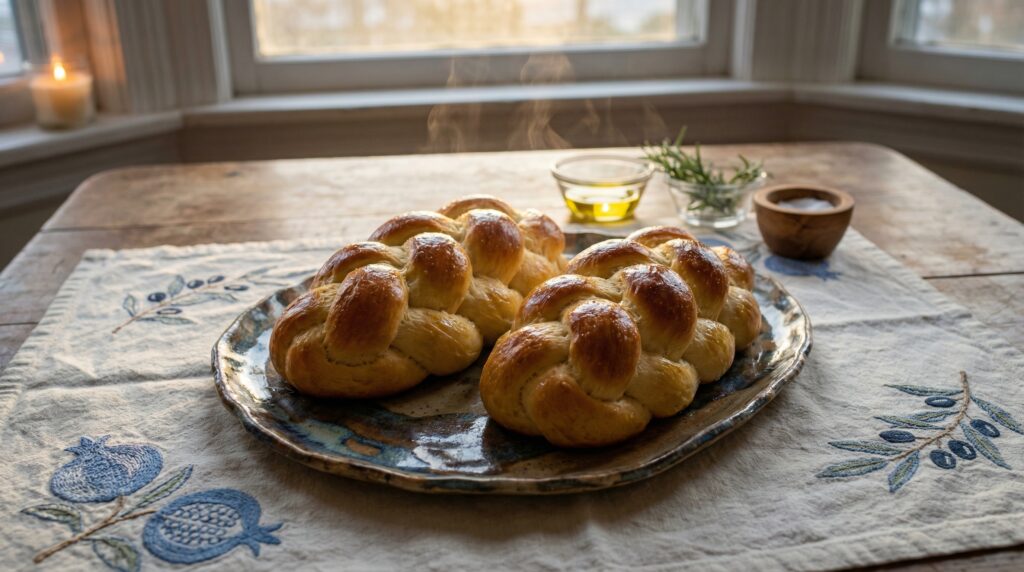

The origins of challah date back centuries, with roots in Jewish tradition. This bread is often associated with Shabbat and holidays, symbolizing unity and community. The water challah, in particular, is known for its simplicity and purity, using basic ingredients to create something truly special.
In Israel, challah is more than just a bread; it’s a symbol of cultural heritage. Families gather to bake it together, passing down recipes through generations. The process of making challah is seen as a bonding experience, connecting loved ones through shared tradition and taste.
The water challah recipe is unique because it omits eggs, relying on water to achieve its soft texture. This makes it a versatile choice for various dietary preferences, while still maintaining the rich flavor and aroma that challah is known for.
The act of braiding challah is both an art and a science. Each braid represents different aspects of life and faith, intertwined to create a beautiful loaf. This tradition is not only about the end product but also the mindfulness and intention put into each step of the process.
In many Israeli homes, challah is a centerpiece during meals, bringing people together to share stories and laughter. It’s a reminder of the importance of family and community, and the simple joys of breaking bread together.
Water challah is often enjoyed with a variety of toppings, from sesame seeds to poppy seeds, each adding a unique flavor and texture. This adaptability makes it a favorite for many, as it can be customized to suit any taste or occasion.
The recipe for water challah has been adapted over the years to suit modern kitchens while preserving its traditional essence. Bakers today enjoy experimenting with different flours and techniques, keeping the spirit of innovation alive in this age-old practice.
For many, baking challah is a meditative experience, allowing them to slow down and appreciate the simple pleasures of life. The aroma of freshly baked challah fills the home, creating a warm and inviting atmosphere that is hard to resist.
Whether enjoyed fresh out of the oven or toasted the next day, water challah remains a beloved staple in Israeli cuisine. Its ability to bring people together and create lasting memories is what makes it truly special.