

Authentic Israeli Pita Bread Recipe
18 February 18:27
147
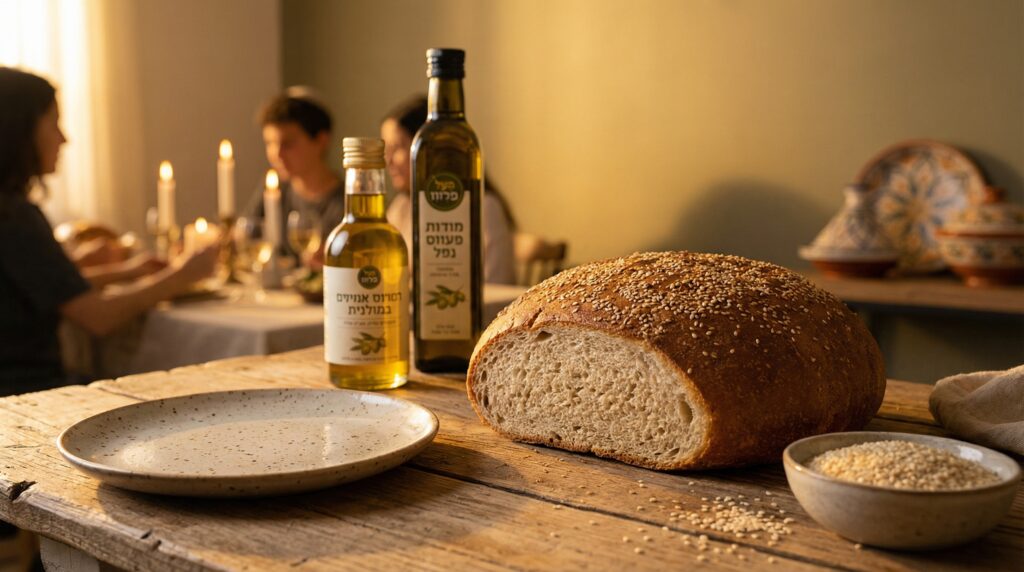

Originating from the Middle East, tahini bread has been cherished for generations. The use of tahini, a paste made from sesame seeds, gives this bread its distinctive taste and texture. It’s a symbol of the rich culinary traditions that have been passed down through families, each adding their own twist to the recipe.
In Israel, bread is more than just a food item; it’s a cultural experience. Tahini bread, in particular, is often enjoyed during festive occasions and family gatherings. Its preparation is a ritual in itself, bringing together communities and families to share in the joy of baking.
The popularity of tahini bread has spread beyond Israel, capturing the hearts of those who appreciate its unique flavor. Bakers around the world have embraced this bread, experimenting with different ingredients and techniques to make it their own while honoring its origins.
Whether served with a hearty stew or enjoyed on its own, tahini bread complements a wide range of flavors. Its nutty undertones enhance the taste of savory dishes, while its soft texture provides a comforting contrast to crunchy salads and spreads.
For those new to baking, tahini bread offers a rewarding challenge. The process of kneading and shaping the dough is therapeutic, allowing bakers to connect with the age-old traditions of bread-making. The aroma of freshly baked bread fills the home, creating a sense of warmth and hospitality.
As more people discover the joys of baking at home, tahini bread continues to gain popularity. Its simple ingredients and straightforward preparation make it accessible to bakers of all skill levels, while its rich flavor keeps them coming back for more.