Authentic Ethiopian Bread Dabo Recipe

A Flavorful Journey into Ethiopian Baking
Explore the unique taste of Ethiopian bread dabo, a traditional loaf with a rich history. Perfect for sharing with family and friends.
Image illustrating:Authentic Ethiopian Bread Dabo Recipe
4
David Pliner
Culinary & Israeli Heritage Enthusiast
Discover the rich flavors of Ethiopian bread dabo with this authentic recipe, perfect for any occasion. A delightful addition to your baking repertoire.

Health Benefits

  • Rich in carbohydrates for energy.
  • Low in fat, making it a healthier bread option.
  • Contains essential minerals from whole grains.

Ingredients

All-purpose flour
4 cups
Warm water
1 cup
Active dry yeast
2 teaspoons
Salt
1 teaspoon
Sugar
2 tablespoons
Vegetable oil
1/4 cup

Chef's Tips for Perfect Dabo

To achieve the perfect texture, allow the dough to rise slowly in a warm environment. This helps develop the flavors and ensures a soft, fluffy interior. Use a clay oven if possible for an authentic taste.

Instructions

  • 1
    1
    Prepare the Yeast Mixture
    In a small bowl, combine warm water, sugar, and yeast. Stir gently and let it sit for about 10 minutes until frothy.
  • 2
    2
    Mix the Dough
    In a large mixing bowl, combine flour and salt. Make a well in the center and pour in the yeast mixture and vegetable oil. Mix until a dough forms.
  • 3
    3
    Knead the Dough
    Transfer the dough to a floured surface and knead for about 10 minutes until smooth and elastic. Add more flour if necessary to prevent sticking.
  • 4
    4
    First Rise
    Place the dough in a lightly oiled bowl, cover with a damp cloth, and let it rise in a warm place for about 1 hour or until doubled in size.
  • 5
    5
    Shape the Dough
    Punch down the dough and shape it into a round loaf. Place it on a baking sheet lined with parchment paper.
  • 6
    6
    Second Rise
    Cover the loaf with a damp cloth and let it rise again for about 30 minutes. Preheat the oven to 375°F (190°C) during this time.
  • 7
    7
    Bake the Bread
    Bake the loaf in the preheated oven for 30-35 minutes or until the crust is golden brown and the bread sounds hollow when tapped.
  • 8
    8
    Cool and Serve
    Remove the bread from the oven and let it cool on a wire rack. Slice and serve warm with honey or butter.

The Story of Ethiopian Bread Dabo

Ethiopian bread dabo is a cherished staple with deep cultural roots.

Dabo, a traditional Ethiopian bread, has been a part of Ethiopian culinary heritage for centuries. Known for its unique texture and flavor, it is often baked for special occasions and family gatherings. The bread is typically made with simple ingredients, yet its preparation is considered an art form in Ethiopian households.
The origins of dabo can be traced back to ancient Ethiopian traditions, where bread played a central role in communal meals. The process of making dabo involves a careful balance of ingredients and techniques passed down through generations. This bread is not just a food item but a symbol of hospitality and togetherness in Ethiopian culture.
In Ethiopia, dabo is often baked in a clay oven, giving it a distinct taste and texture. The bread’s crust is usually golden brown, while the inside remains soft and fluffy. This contrast in texture makes dabo a delightful experience for the senses, enjoyed by both locals and visitors alike.

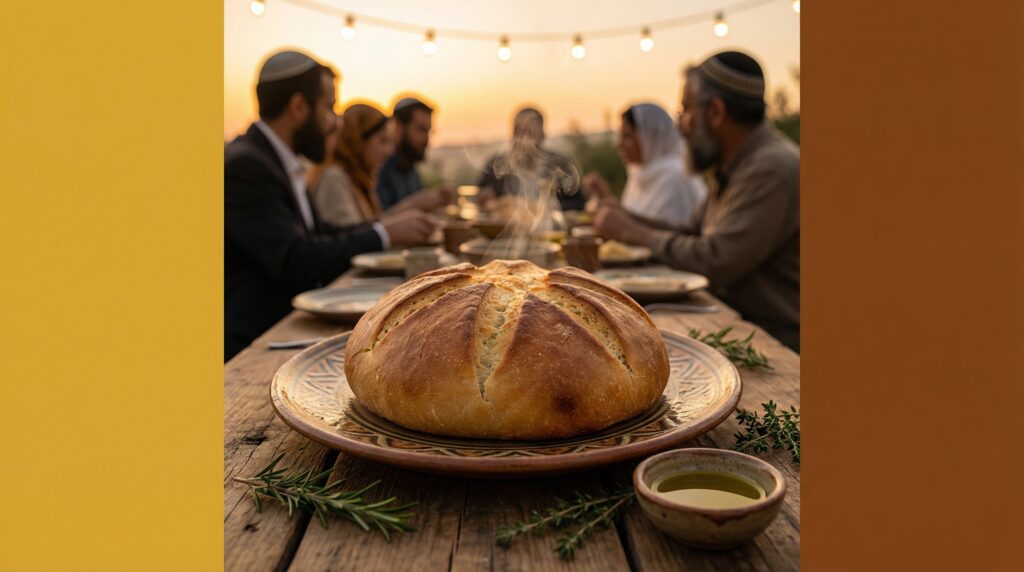
Dabo is often enjoyed with honey or butter, enhancing its flavor.

The preparation of dabo varies across different regions of Ethiopia, with each community adding its unique twist to the recipe. Some might incorporate spices or herbs to enhance the flavor, while others stick to the traditional method. Despite these variations, the essence of dabo remains the same – a bread that brings people together.
In modern times, dabo has gained popularity beyond Ethiopia, with many people around the world exploring its rich flavors. It is often featured in Ethiopian restaurants and is appreciated for its versatility. Whether served as a side dish or enjoyed on its own, dabo continues to be a beloved part of Ethiopian cuisine.
For those looking to try their hand at making dabo, the process can be both rewarding and enjoyable. The key is to embrace the tradition and take time to understand the nuances of the recipe. With patience and practice, anyone can master the art of baking this delightful bread.

Ethiopian bread dabo is perfect for sharing with loved ones.

The communal aspect of baking and sharing dabo is a cherished tradition in Ethiopian culture. Families often gather to prepare the bread, each member contributing to the process. This collective effort not only strengthens family bonds but also preserves the cultural heritage associated with dabo.
As you embark on your journey to make Ethiopian bread dabo, remember that each loaf carries with it a piece of history and tradition. The experience of baking dabo is as much about the process as it is about the final product. Enjoy the aromas, textures, and flavors that this unique bread has to offer.
Dabo is more than just a bread; it is a celebration of Ethiopian culture and community. By making dabo, you are not only creating a delicious dish but also participating in a time-honored tradition that has been cherished for generations. Enjoy the warmth and joy that comes with sharing this special bread with those around you.


Related Recipes

FAQ

Can I use whole wheat flour instead of white flour?
Yes, you can use whole wheat flour, but it may alter the texture slightly.
What can I serve with Ethiopian bread dabo?
Dabo is traditionally enjoyed with honey or butter, but it pairs well with any meal.
Can I prepare the dough in advance?
Yes, you can prepare the dough a day ahead and bake it fresh the next day.