Homemade Tahini Bread Delight
18 February 18:24
165
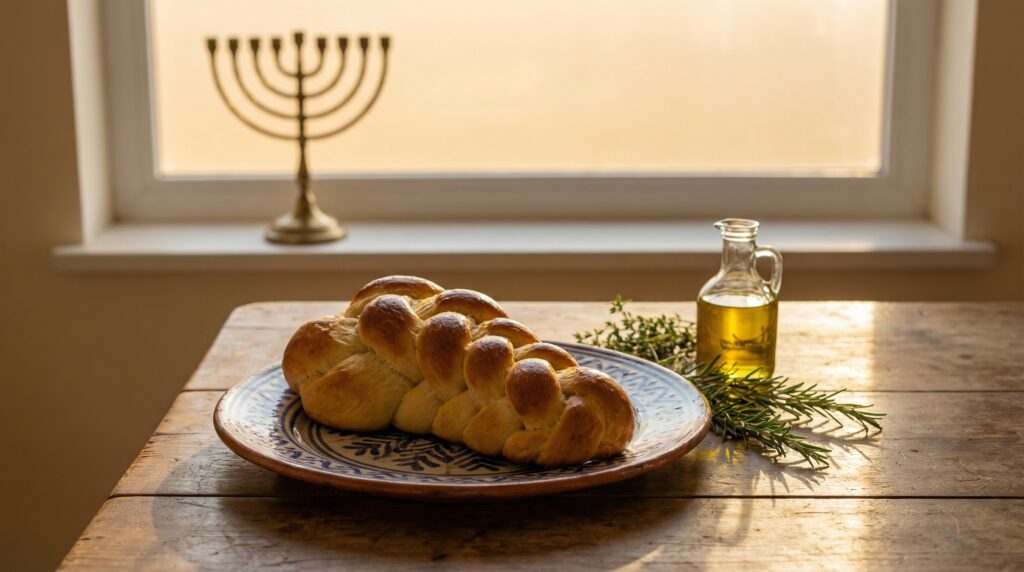

The tradition of Shlissel Challah dates back centuries, with roots in Ashkenazi Jewish communities. It is typically baked on the first Shabbat after Passover, symbolizing a fresh start and the hope for a prosperous year ahead. The word ‘shlissel’ means ‘key’ in Yiddish, and the bread often features a key-shaped decoration or an actual key baked inside.
This custom is deeply intertwined with the Jewish belief in the power of blessings and the hope for divine provision. The key symbolizes the unlocking of sustenance and abundance, a heartfelt wish for the family and community. It is a time when families come together, sharing stories and traditions passed down through generations.
Many families have their own variations of the Shlissel Challah recipe, adding personal touches that make the bread unique. Some might incorporate sweet elements like raisins or honey, while others focus on intricate braiding techniques. Regardless of the specific recipe, the act of baking Shlissel Challah is a cherished ritual, filled with love and intention.
In modern times, the tradition of Shlissel Challah continues to thrive, bridging the gap between past and present. It serves as a reminder of the resilience and continuity of Jewish culture, even in the face of change. Families gather to bake, share, and celebrate, reinforcing their bonds and cultural heritage.
The process of making Shlissel Challah is often a communal activity, involving multiple generations. Grandparents teach grandchildren the art of braiding, while stories of past celebrations are shared. This communal aspect enriches the experience, making it more than just a baking activity but a meaningful connection to one’s roots.
For many, the highlight of the Shlissel Challah tradition is the moment the bread is revealed at the Shabbat table. The beautifully braided loaf, adorned with a key or key-shaped dough, is a symbol of hope and prosperity. It is a visual and culinary delight that brings joy and anticipation to the meal.
The symbolism of Shlissel Challah extends beyond the bread itself. It represents the values of community, tradition, and faith. By participating in this custom, individuals feel a sense of belonging and continuity, connecting them to their ancestors and the broader Jewish community worldwide.
As families continue to embrace this tradition, they find new ways to adapt it to their lives. Some may incorporate modern ingredients or techniques, while others remain steadfast in preserving the original methods. This adaptability ensures that the tradition remains vibrant and relevant, resonating with each new generation.
Ultimately, Shlissel Challah is more than a recipe; it is a celebration of life, hope, and the enduring spirit of a people. It is a testament to the power of tradition to bring people together, fostering a sense of unity and shared purpose.