Deconstructed Nicoise Salad with an Israeli Twist
18 February 18:17
120
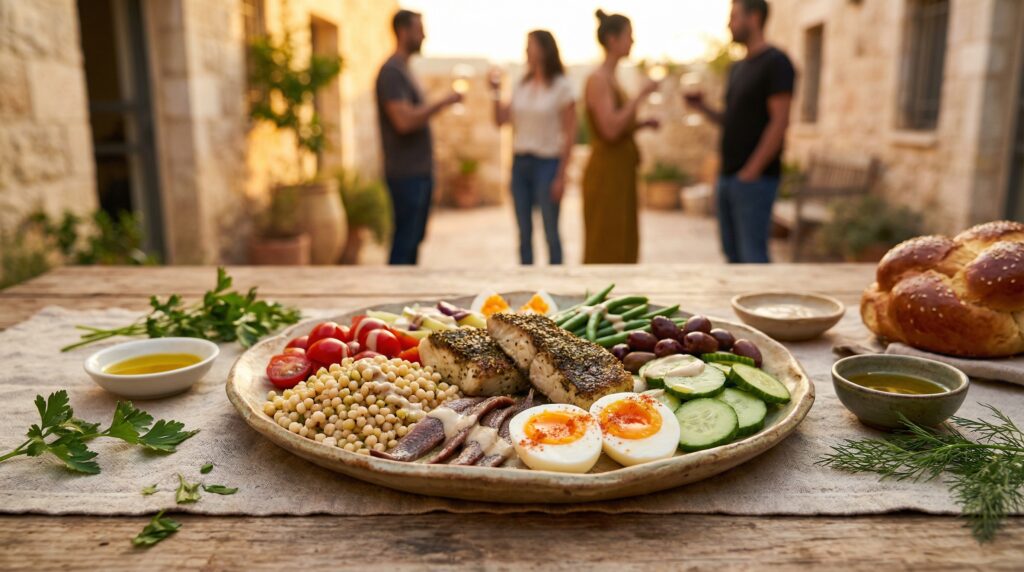

The traditional Nicoise salad is a staple in French cuisine, known for its fresh ingredients and simple preparation. It typically includes tomatoes, hard-boiled eggs, Niçoise olives, anchovies, and dressed with olive oil. This salad reflects the Mediterranean diet, celebrated for its health benefits and vibrant flavors.
Over time, the Nicoise salad has been adapted in various cultures, each adding its unique twist. In Israel, the salad is often deconstructed to highlight individual ingredients. This approach not only enhances the visual appeal but also allows each component to shine, offering a burst of flavor with every bite.
The Israeli version of the Nicoise salad often incorporates local ingredients such as fresh herbs, seasonal vegetables, and sometimes, a touch of spice. This adaptation reflects the diverse culinary influences in Israel, where traditional recipes are constantly being reinvented to suit modern tastes and dietary preferences.
By deconstructing the Nicoise salad, chefs and home cooks alike can present the dish in a more artistic manner. Each ingredient is carefully arranged on the plate, inviting diners to explore the flavors and textures individually. This method not only enhances the dining experience but also makes the dish more appealing to the eye.
The deconstructed approach also encourages experimentation with flavors. For instance, you might find variations that include grilled fish instead of canned tuna, or the addition of roasted vegetables for an extra layer of taste. This flexibility makes the deconstructed Nicoise salad a versatile dish suitable for various occasions.
Incorporating Israeli elements into the salad, such as tahini dressing or za’atar seasoning, adds a unique twist that pays homage to the region’s rich culinary heritage. These ingredients not only complement the traditional components but also introduce new flavors that enhance the overall taste profile of the salad.
Using fresh, locally sourced ingredients is at the heart of the deconstructed Nicoise salad. This focus on quality produce ensures that each bite is packed with flavor and nutrition. The vibrant colors and textures of the vegetables, combined with the rich taste of olives and tuna, create a harmonious blend that is both satisfying and healthy.
The salad’s versatility makes it a popular choice for various meals, from casual lunches to elegant dinners. Its light yet filling nature makes it an ideal option for those seeking a balanced meal that doesn’t compromise on taste. Whether served as a main course or a side dish, the deconstructed Nicoise salad is sure to impress.
In Israel, the salad is often enjoyed as part of a larger spread, accompanied by other traditional dishes. This communal style of dining reflects the importance of sharing food and experiences with loved ones, a value deeply ingrained in Israeli culture.