
Moses and the Miraculous Splitting of the Sea in the Bible
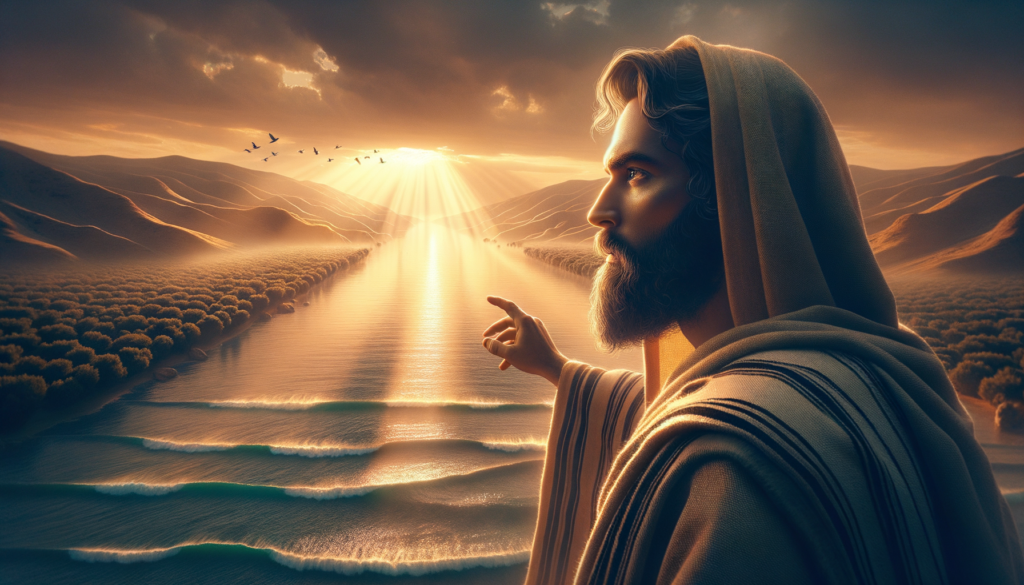

The story of the sea splitting in the Bible is one of the most iconic and emotionally stirring moments in Jewish history. It’s a tale of courage, faith, and the enduring hope of a people longing for freedom. For generations, this story has been told and retold around Shabbat tables, in synagogues, and in Jewish homes across the world. But beyond the miracle itself lies a deeper narrative—one that connects us to the heart of the Jewish journey and the resilience of the human spirit.
The Story Behind the Splitting of the Sea
The event commonly referred to as the splitting of the sea takes place in the Book of Exodus, chapter 14. After centuries of slavery in Egypt, the Israelites were finally granted their freedom. Led by Moses, they began their journey into the wilderness. But soon after their departure, Pharaoh changed his mind and sent his army to recapture them. Trapped between the advancing Egyptian forces and the sea, the Israelites cried out in fear.
In that moment of desperation, Moses was instructed to stretch out his hand over the sea. When he did, the waters miraculously parted, creating a dry path for the Israelites to cross. Once they reached the other side, the waters returned, engulfing the Egyptian army. This moment marked not only a physical escape but a spiritual turning point for the people of Israel.
This story is not just about a miraculous event—it’s about trust, leadership, and the power of unity. The Israelites had to step forward into the unknown, trusting that the path would hold. It’s a lesson that continues to resonate today, reminding us of the strength found in faith and community.
Who Was Moses and Why Was He Chosen?
Moses is one of the most central figures in the Torah. Born into a Hebrew family but raised in Pharaoh’s palace, his life was marked by contrasts. After witnessing the suffering of his people, he fled Egypt and later returned with a mission to lead the Israelites to freedom.
His leadership was not based on power or charisma, but on humility and a deep sense of responsibility. The story of the sea splitting is just one example of how Moses acted as a bridge between the people and their destiny. He didn’t seek glory—he sought justice.
Moses’ role in the Exodus story is a reminder that leadership often requires great personal sacrifice. He stood firm in the face of doubt, fear, and danger, guiding his people through one of the most transformative moments in their history.
The Sea Itself: Yam Suf or Red Sea?
The Hebrew term used in the Torah is “Yam Suf,” which is often translated as the Red Sea. However, some scholars argue that a more accurate translation might be “Sea of Reeds.” This has led to much discussion about the actual location of the miracle.
Regardless of the exact geography, the significance of the event remains unchanged. It was a moment of divine intervention, a turning point that allowed the Israelites to move from bondage to freedom. The sea, in this context, becomes a symbol of transformation.
For many, the ambiguity of the sea’s name adds to the mystery and wonder of the story. It invites us to look beyond the physical and into the spiritual meaning of the journey.

The Role of Faith in the Splitting of the Sea
The Israelites were terrified as they stood before the sea, with Pharaoh’s army closing in. In that moment, they had a choice: to surrender or to trust. Their decision to move forward, even before the waters parted, is a powerful testament to faith.
According to Jewish tradition, one man—Nachshon ben Aminadav—stepped into the water before it split. His courage inspired others to follow, and only then did the sea part. This teaches us that sometimes, miracles begin with a single brave step.
Faith is not always about certainty. Often, it’s about moving forward despite uncertainty. The story of the sea reminds us that courage and trust can open paths we never imagined.
How the Splitting of the Sea Is Remembered Today
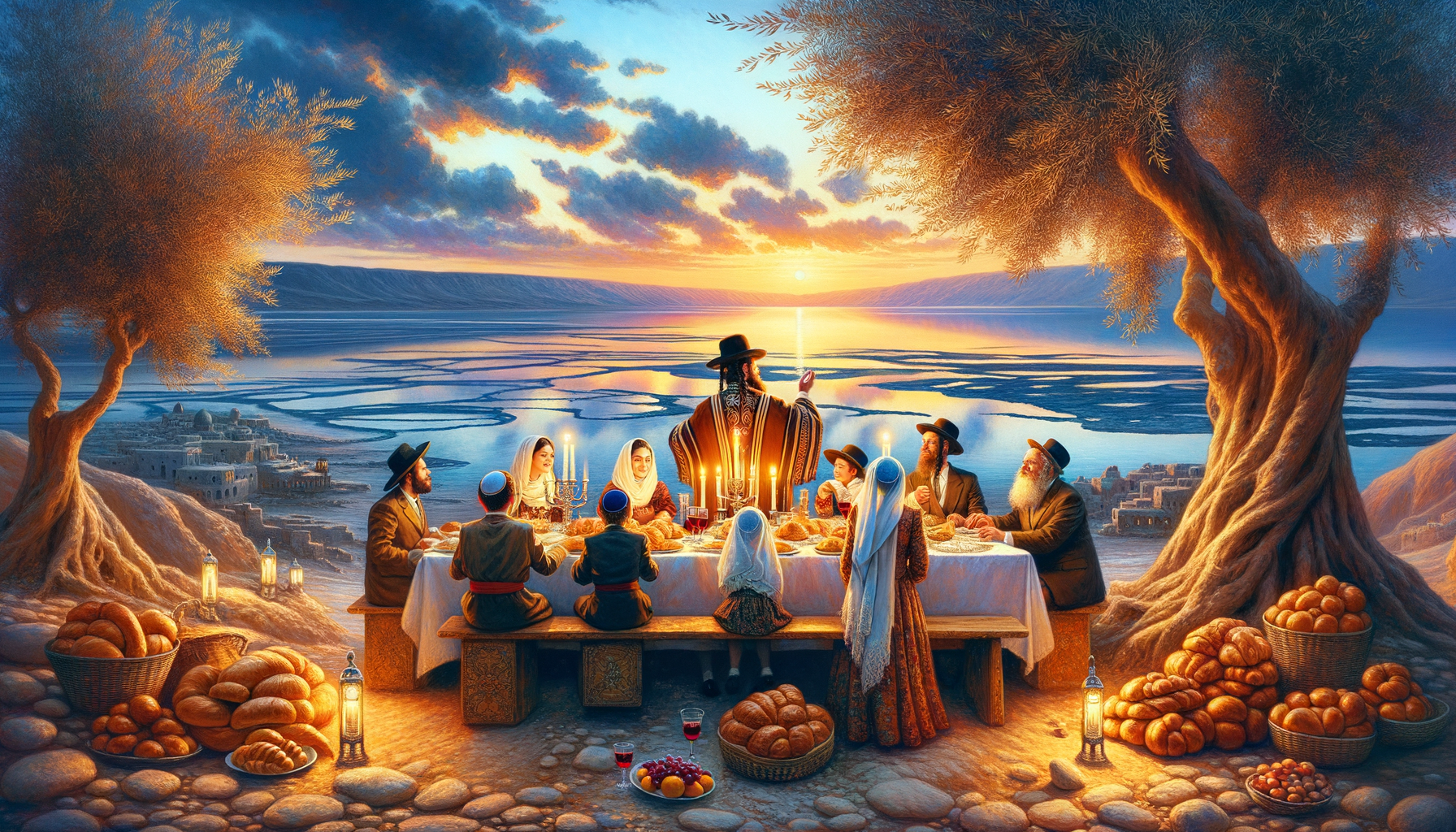
Every year during Passover, Jewish families around the world retell the story of the Exodus, including the splitting of the sea. It’s a central part of the Haggadah, the text read during the Seder meal.
Songs like “Dayenu” celebrate the many miracles of the Exodus, and the sea’s parting is often highlighted as one of the most dramatic. Children act out the scene, and families reflect on the meaning of freedom.
This annual remembrance keeps the story alive, not just as history, but as a living part of Jewish identity. It connects generations and reinforces the values of resilience, hope, and liberation.
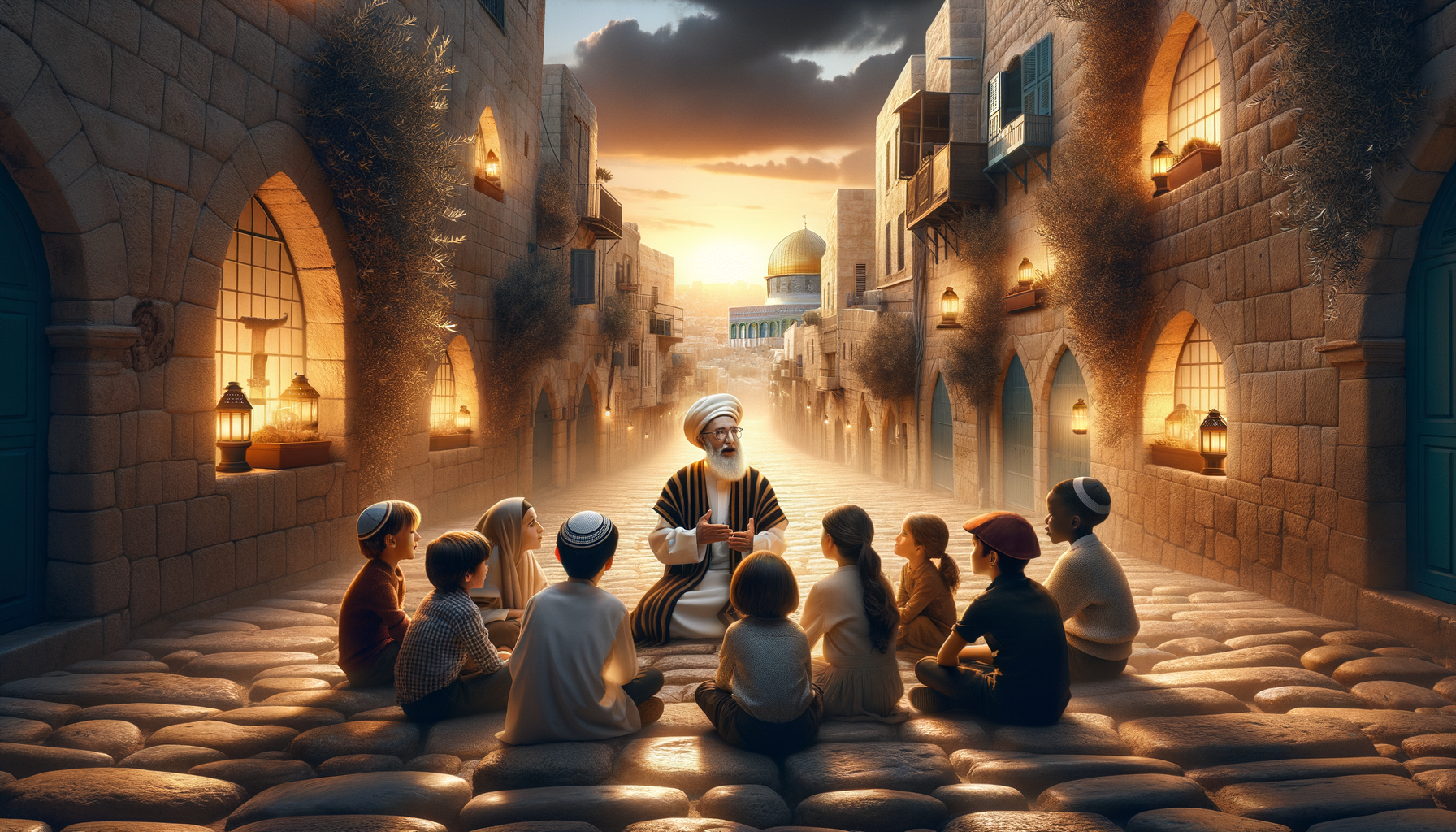
The Emotional Power of the Story
There’s something deeply moving about the image of a sea splitting in two to make way for a people seeking freedom. It’s a story that transcends time and place, resonating with anyone who has faced overwhelming odds.
For many, this story is not just about ancient history—it’s about personal journeys. It reminds us that even when the path ahead seems impossible, there is hope. That with courage and unity, we can overcome.
This emotional resonance is part of what makes the story so enduring. It speaks to the heart, offering comfort, inspiration, and a sense of shared humanity.
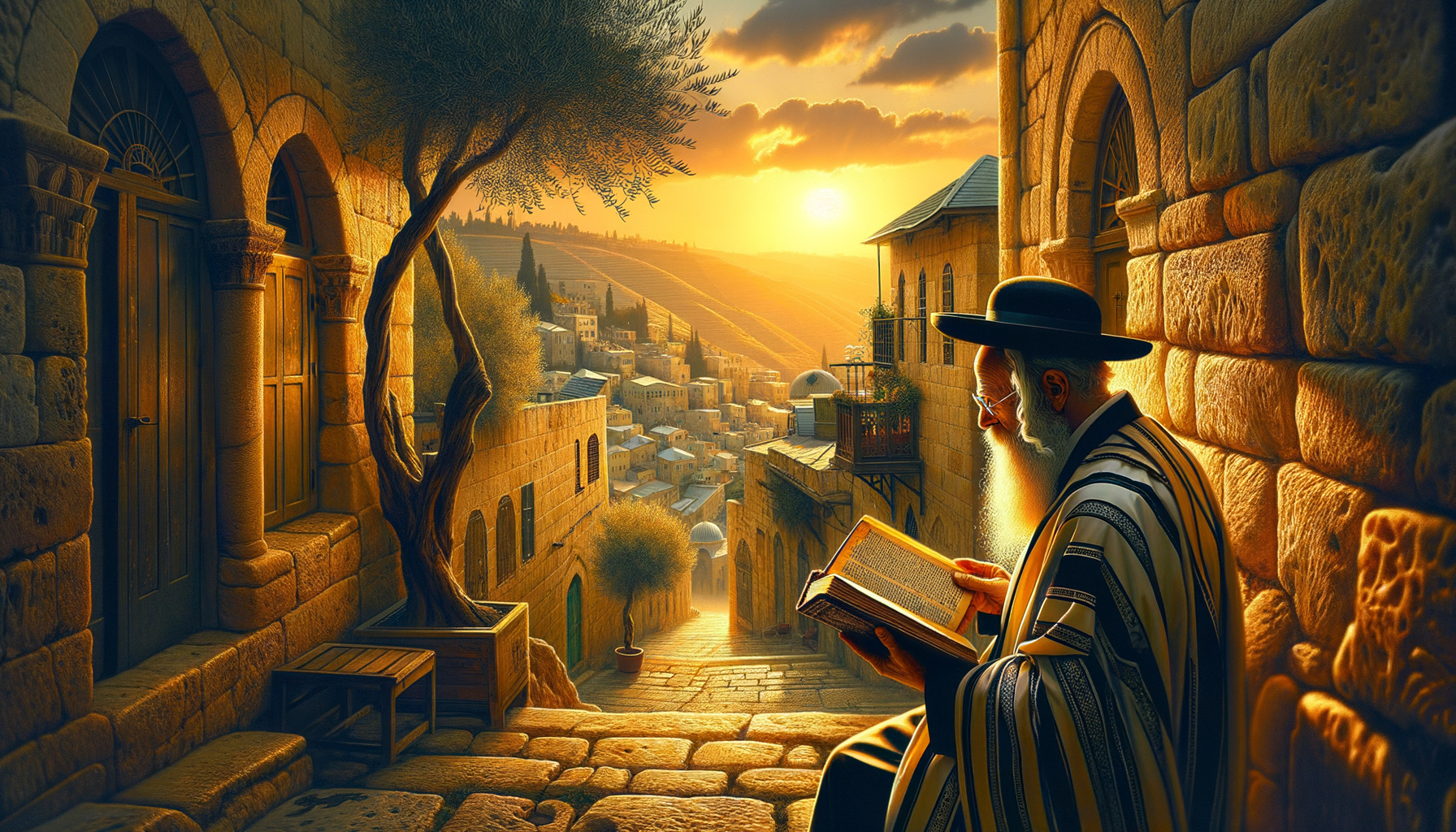
Lessons for Today from an Ancient Miracle
The story of the sea splitting is more than a miracle—it’s a guide. It teaches us about leadership, faith, and the power of community. In times of challenge, we can look to this story for strength.
It also reminds us that freedom is not given—it’s earned through struggle, perseverance, and unity. The Israelites didn’t just walk through the sea; they walked into their future.
Today, as we support Israeli families and small businesses, we carry forward the spirit of that journey. We honor the past by building a hopeful future.
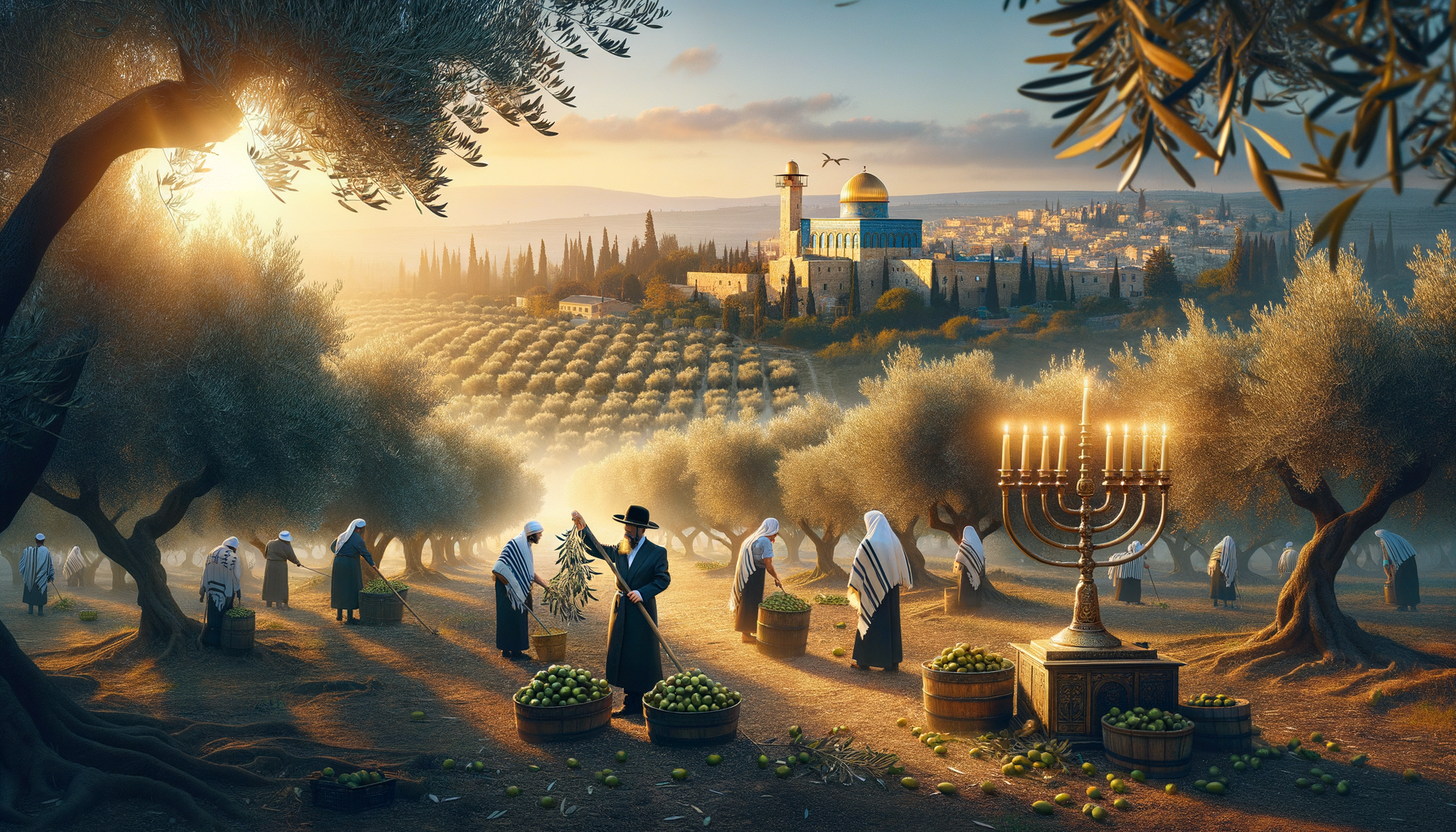
A Living Connection to the Land and Its People
At Lev Haolam, we believe that stories like the splitting of the sea are not just tales from long ago—they are living memories that shape who we are. They connect us to the land of Israel and to the people who continue to live, work, and dream there.
Through our gift boxes, we share not only products but stories—of resilience, creativity, and hope. Each item is a piece of Israel’s ongoing journey, crafted by hands that carry the legacy of freedom.
When you support Lev Haolam, you become part of this story. You walk alongside the people of Israel, just as the Israelites once walked through the parted sea—toward a future filled with promise.
Understanding the Splitting of the Sea