
The Builders of the Second Temple in Jerusalem: A Story of Faith and Return
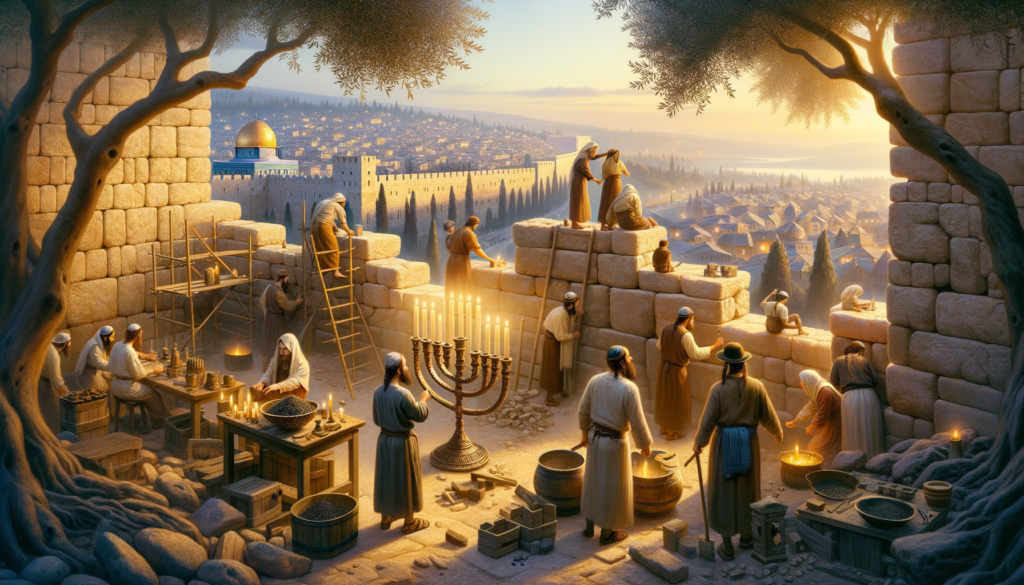

After decades in exile, the Jewish people returned to Jerusalem with a dream: to rebuild their sacred Temple. This is the story of who built the Second Temple in Jerusalem, and why it still matters today.
The Destruction of the First Temple and the Babylonian Exile
In 586 BCE, the Babylonians destroyed the First Temple in Jerusalem, a devastating blow to the Jewish people. The Temple had been the spiritual heart of Jewish life, built by King Solomon centuries earlier. Its destruction marked not only the loss of a sacred space but also the beginning of a long and painful exile.
The Babylonian exile was a time of mourning and reflection. Far from their homeland, the Jewish people preserved their identity through prayer, study, and community. They longed for the day they could return to Jerusalem and rebuild what had been lost.
This period of exile lasted about 70 years. During that time, Jewish leaders and prophets kept hope alive, reminding the people of their heritage and the promise of return. The dream of rebuilding the Temple remained central to their faith and identity.
The Role of King Cyrus of Persia
In 539 BCE, the Persian Empire, under King Cyrus the Great, conquered Babylon. Unlike previous rulers, Cyrus had a policy of religious tolerance and restoration. He allowed many exiled peoples, including the Jews, to return to their homelands and rebuild their places of worship.
According to the Book of Ezra, Cyrus issued a decree specifically permitting the Jewish people to return to Jerusalem and rebuild the Temple. He even returned sacred vessels that had been taken from the First Temple. This marked the beginning of a new chapter in Jewish history.
Cyrus’s support was not just political—it was deeply meaningful to the Jewish people. His decree was seen as a sign that their long exile was ending and that their connection to Jerusalem could be restored.
Zerubbabel and the First Returnees
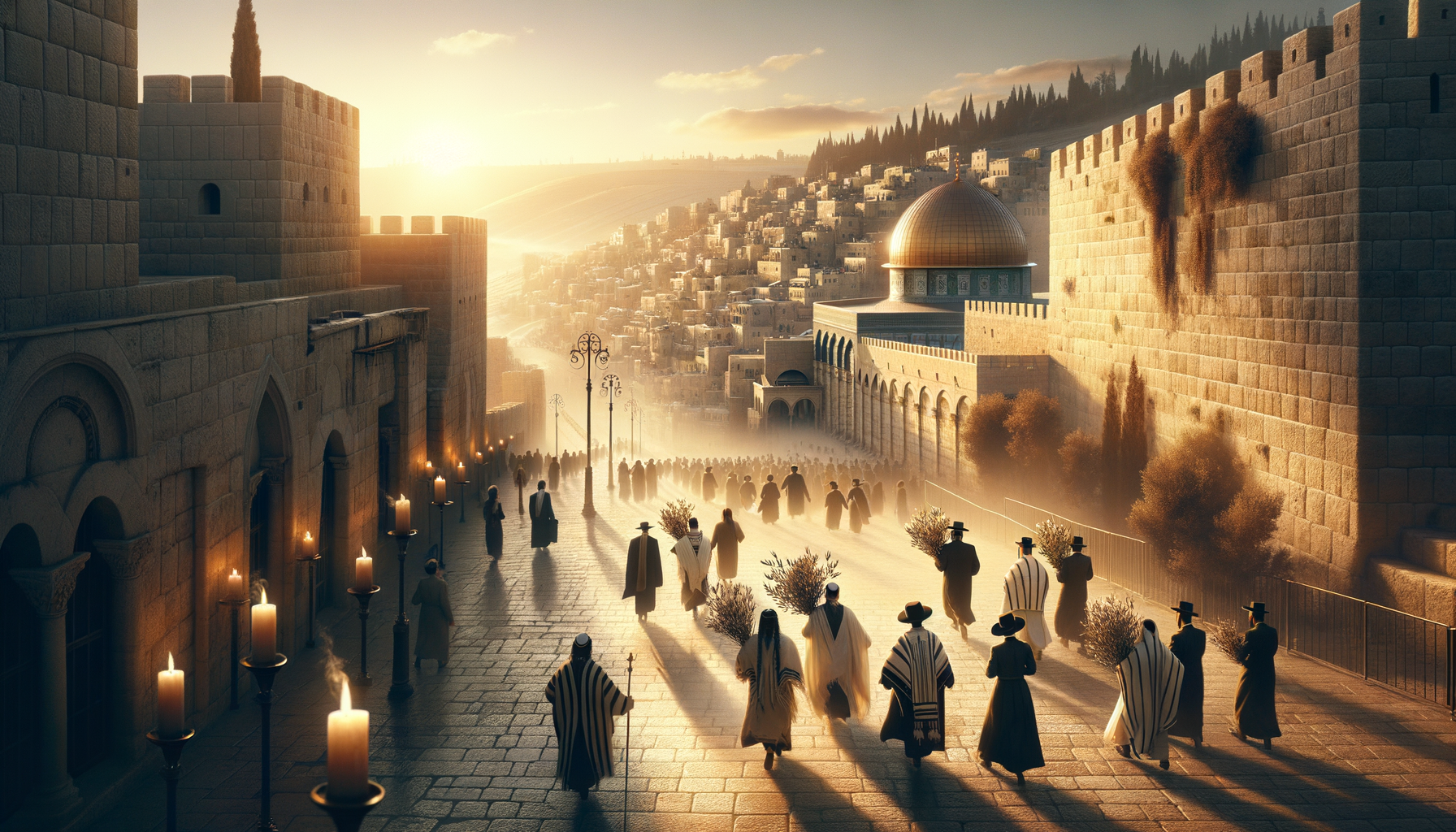
Leading the first group of returnees was Zerubbabel, a descendant of King David. He was appointed governor of Judah and played a central role in organizing the rebuilding effort. Alongside him was Joshua the High Priest, who provided spiritual leadership.
The journey back to Jerusalem was long and difficult. The land had changed, and the city lay in ruins. But the returnees were filled with determination and a sense of purpose. They began by rebuilding the altar and resuming sacrifices, reestablishing the rhythms of Jewish worship.
Soon after, they laid the foundation for the new Temple. The moment was emotional—some wept with joy, others with sorrow, remembering the grandeur of the First Temple. But all understood the significance of what they were doing.
Challenges and Opposition
Rebuilding the Temple was not without challenges. Local populations, including Samaritans and others, opposed the project. They offered to help but were rejected, leading to tension and political interference. Letters were sent to Persian authorities, accusing the Jews of rebellion.
As a result, construction was halted for several years. The people grew discouraged, and the dream of a rebuilt Temple seemed to fade. But prophets like Haggai and Zechariah urged them to continue, reminding them of their mission and the importance of perseverance.
Their words reignited the people’s spirit. With renewed energy, they resumed construction, even in the face of uncertainty. Their determination became a testament to their faith and resilience.
Completion and Dedication of the Second Temple
The Second Temple was completed in 516 BCE, about 22 years after the foundation was laid. Its dedication was a moment of profound joy. Though it lacked the grandeur of Solomon’s Temple, it represented a new beginning for the Jewish people.
The dedication ceremony included offerings, music, and celebration. The people rejoiced, not just for the building itself, but for what it symbolized: the return to Jerusalem, the restoration of worship, and the survival of their identity.
This Temple would stand for nearly 600 years, becoming the center of Jewish life until its destruction by the Romans in 70 CE. But its foundation was laid by those who returned from exile with hope in their hearts.
Ezra, Nehemiah, and the Spiritual Rebuilding
After the physical Temple was completed, spiritual rebuilding continued. Ezra the scribe arrived in Jerusalem and led a renewal of Torah study and observance. He read the Torah publicly and helped reestablish Jewish law and identity.
Nehemiah, another leader, focused on rebuilding the walls of Jerusalem. He faced opposition but succeeded in fortifying the city, making it safer for its inhabitants. Together, Ezra and Nehemiah helped shape the post-exilic Jewish community.
Their efforts ensured that the Second Temple was not just a building, but the heart of a living, vibrant Jewish society. They reminded the people of their values, traditions, and the importance of unity.
Understanding the Builders and History of the Second Temple