
Celebrating Sukkot Traditions Through Israeli Flavors and Heritage


As the autumn breeze begins to whisper through the trees and the harvest season reaches its peak, Jewish families around the world prepare for one of the most joyful and meaningful holidays on the calendar—Sukkot. Known as the Feast of Tabernacles, Sukkot is a time of gratitude, remembrance, and community. In Israel, this holiday takes on a special flavor, both literally and figuratively, as families gather in sukkahs (temporary outdoor huts) to share meals, stories, and traditions that have been passed down for generations. This article invites you into the heart of Sukkot in Israel, exploring its rich customs, delicious foods, and the deep emotional connections that make it so beloved.
The Meaning Behind Sukkot
Sukkot is one of the three pilgrimage festivals in the Jewish calendar, alongside Passover and Shavuot. It commemorates the 40 years the Israelites spent wandering in the desert after their exodus from Egypt. During this time, they lived in temporary shelters, which is why Jewish families today build sukkahs as part of the celebration. These structures are not just symbolic—they become the center of life for a week, where meals are shared, songs are sung, and memories are made.
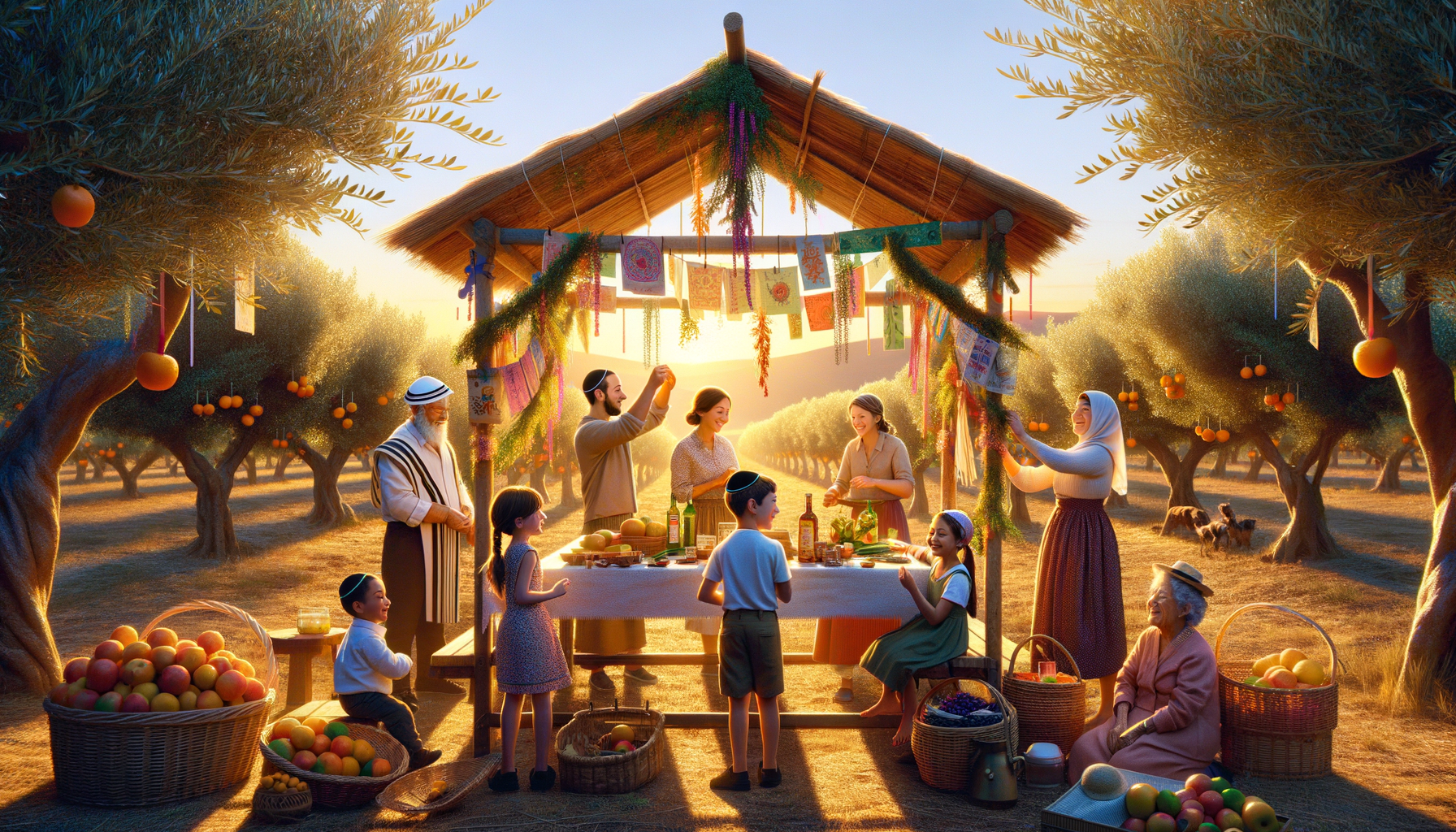
The sukkah itself is a powerful symbol. Its fragile walls and leafy roof remind us of the impermanence of material things and the importance of faith, family, and community. In Israel, the sight of sukkahs sprouting up on balconies, rooftops, and courtyards is a heartwarming reminder of shared heritage and unity.
Children often help decorate the sukkah with paper chains, colorful drawings, and hanging fruits. These decorations not only beautify the space but also create a sense of joy and anticipation. For many Israeli families, preparing the sukkah is a cherished tradition that brings generations together.
Understanding Sukkot Traditions