
Tyre Meaning in Hebrew: Exploring the Name Tsur
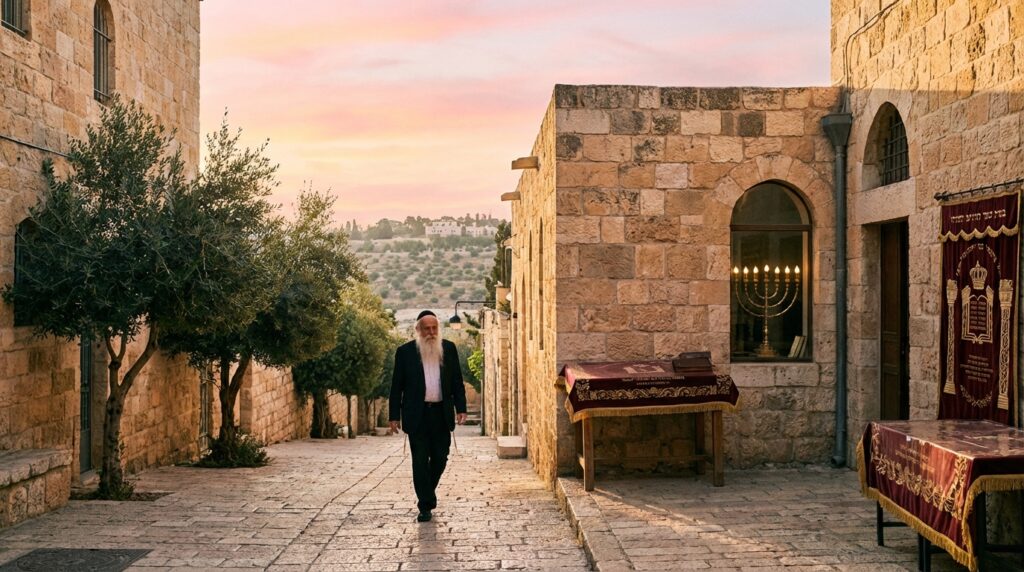

Welcome, dear friend. Let’s begin with a gentle invitation to journey together into the heart of a name that echoes through centuries. Tyre—known in Hebrew as Tsur—carries a simple yet powerful meaning: “rock.” In this article, we’ll explore how that single word connects us to ancient shores, steadfast strength, and stories that shaped Israel’s heritage. I hope this exploration warms your heart and deepens your connection to the land and its people.
The Hebrew name for Tyre is צֹר (Tsur or Tsor), rooted in a Semitic word meaning “rock.” This name reflects the city’s original geography—built on a rocky island just off the coast—making it naturally strong and well protected. The word evokes both the physical landscape and the enduring nature of the city. In Hebrew, “rock” often symbolizes stability and permanence, and Tsur captures that beautifully.
In the Bible, Tyre appears many times, often in contexts that highlight its strength, wealth, and importance. The prophet Ezekiel, for instance, uses Tyre as a metaphor for a grand ship laden with precious goods—its name reinforcing the image of a strong, unshakeable foundation. The symbolism of “rock” resonates in these passages, reminding readers of the city’s resilience and prominence.
Let’s pause here and imagine the scene: a city rising from the sea, its walls built on solid stone, its name echoing that very strength. It’s a beautiful image, isn’t it?
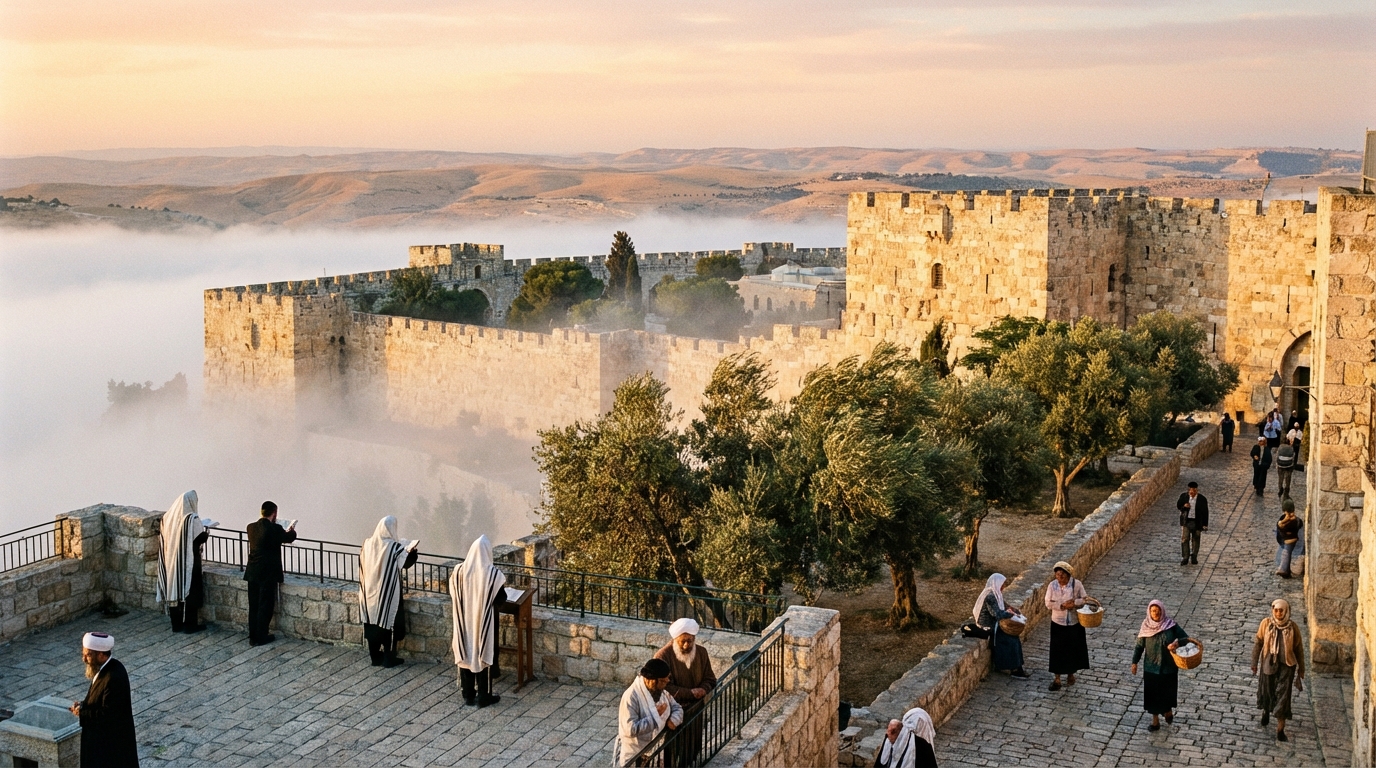
Tyre’s Hebrew name also connects to its role in biblical history. King Hiram of Tyre, known in Hebrew sources, was a close ally of King Solomon. He provided cedar and skilled craftsmen to help build the Temple in Jerusalem. The name Tsur, meaning “rock,” may remind us of the Temple’s own foundation, built on solid ground and enduring through time.
This partnership between Tyre and Israel speaks to a deeper bond—one of mutual respect, shared purpose, and the blending of cultures. The name Tsur, rooted in strength, becomes a symbol of collaboration and trust.
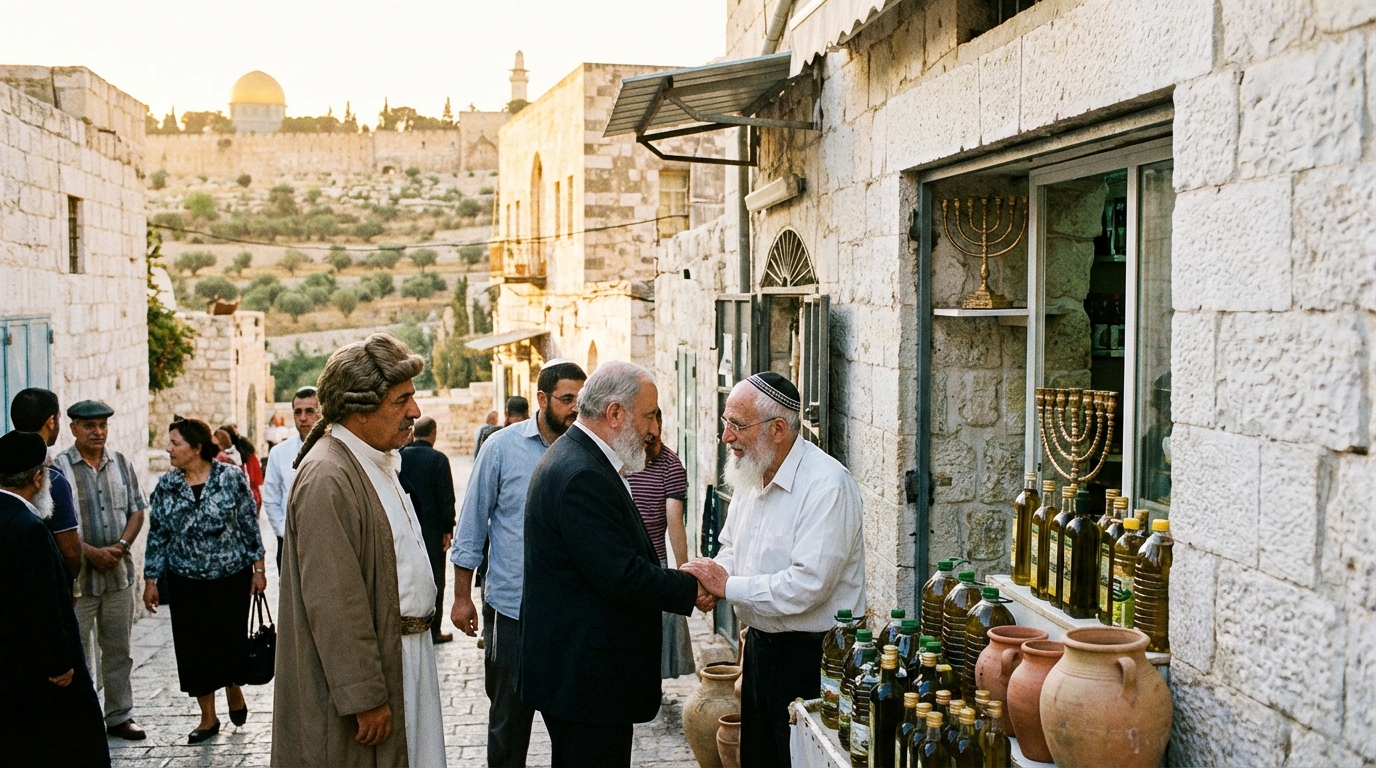
Beyond its literal meaning, Tsur carries emotional resonance. When we say “rock,” we think of something steady, reliable, and enduring. For families in Israel and around the world, that image can bring comfort—like a beloved friend who stands firm through life’s storms.
In Jewish tradition, names are more than labels—they carry meaning, memory, and identity. Tsur reminds us of a place that stood firm, a people who built with care, and a heritage that continues to inspire.

Let’s explore how Tsur appears in biblical poetry and prophecy. In Ezekiel 27, the city is described as a ship built with cedar, fine linen, and purple—luxury materials that speak of beauty and wealth. The name Tsur anchors that image, grounding it in strength and permanence.
This poetic use of Tsur invites us to see Tyre not just as a place, but as a symbol—of beauty, of commerce, and of enduring presence. It’s a reminder that even in ancient texts, names carry layers of meaning.
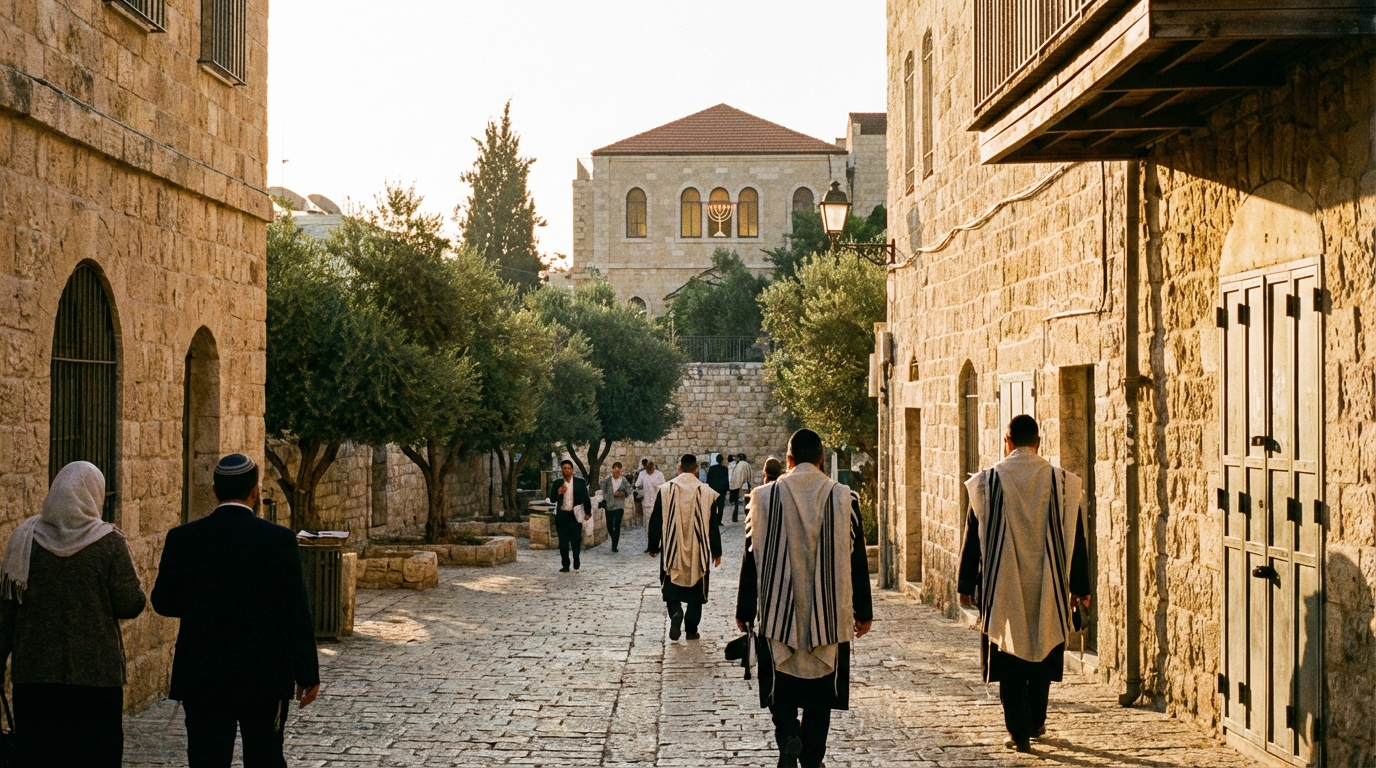
Historically, Tyre was a powerful Phoenician port, known for its purple dye and trade across the Mediterranean. Its name, meaning “rock,” may also have conveyed its role as a steadfast center of commerce and culture. Even as empires rose and fell, Tyre remained a symbol of resilience.
In Jewish memory, Tyre appears as both ally and cautionary tale—admired for its craftsmanship, yet warned against for pride. The name Tsur reminds us that strength must be balanced with humility.
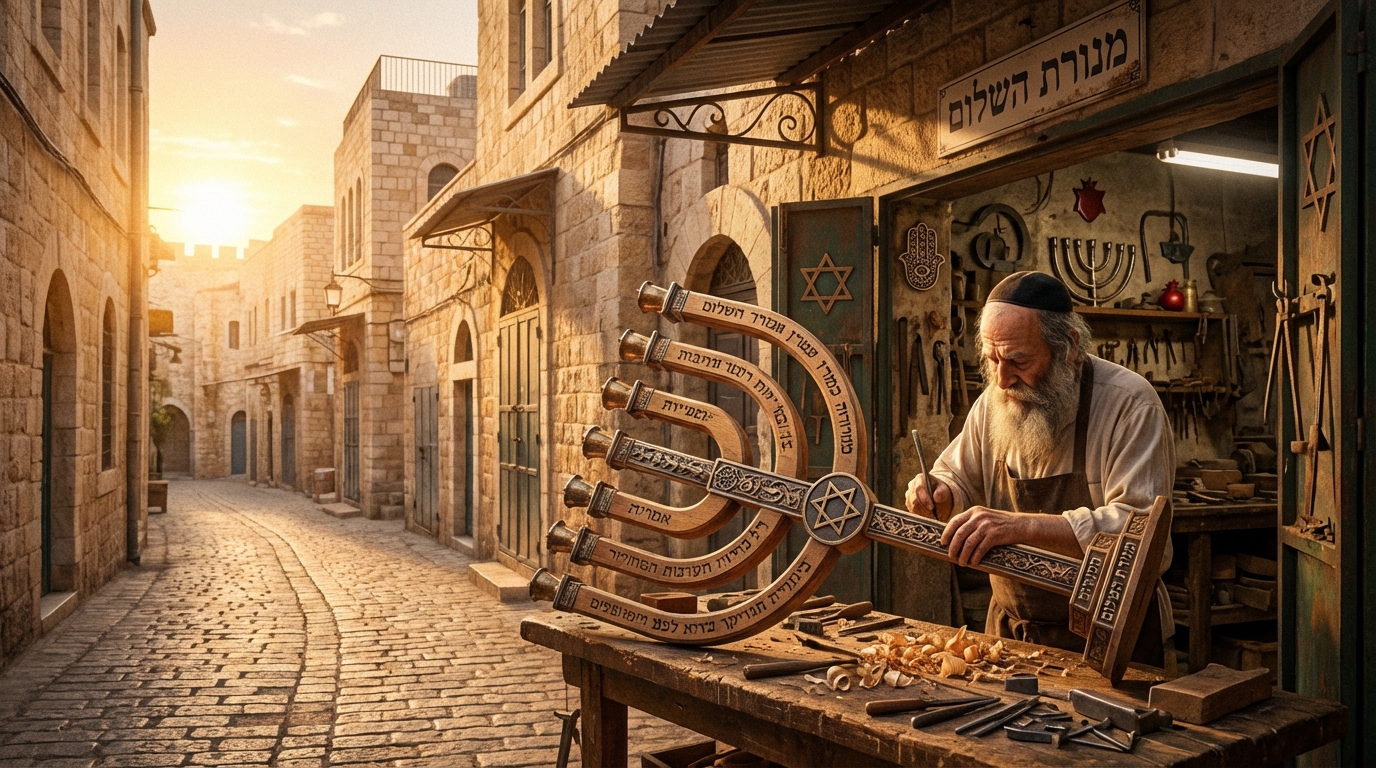
What can we learn from Tsur today? Perhaps that names carry stories, and that a single word—“rock”—can connect us to history, faith, and identity. It reminds us to build our lives on solid ground: love, community, and shared heritage.
As you reflect on Tsur, may you feel rooted in something enduring—like a rock that stands firm through time, offering shelter and strength.
If you’ve enjoyed this journey into the meaning of Tyre in Hebrew, I invite you to explore more stories and treasures from Israel through Lev Haolam. Each gift box carries a piece of history, a moment of discovery, and a connection to the land we love. May your heart be warmed and your curiosity kindled.
Understanding the Name “Tyre”