
Exploring the Ancient Map of Tyre and Sidon
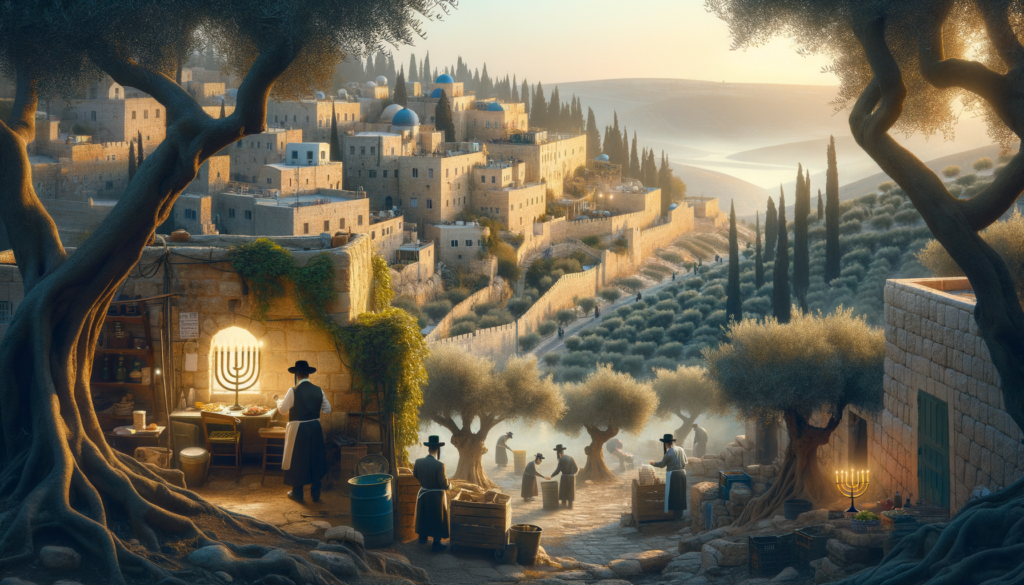

Nestled along the shimmering Mediterranean coast, the ancient cities of Tyre and Sidon have long captured the imagination of historians, travelers, and Bible readers alike. These bustling Phoenician ports were once the lifeblood of maritime trade, cultural exchange, and spiritual encounters in the ancient Near East. Today, as we trace their outlines on old maps and walk through the stories they inspired, we uncover layers of history that connect us deeply to the land of Israel and the people who lived there.
The Importance of Ancient Maps in Understanding History
Maps are more than just tools for navigation—they are windows into the past. When we examine ancient maps of the Levant, especially those highlighting Tyre and Sidon, we gain insight into how people understood geography, politics, and culture in biblical times. These maps help us visualize trade routes, territorial boundaries, and the proximity of key cities to one another.
The map of Tyre and Sidon reveals their strategic location along the Mediterranean Sea, north of ancient Israel. Their coastal positions made them ideal hubs for trade and communication. These cities were not isolated; they were deeply connected to the broader region, including Israelite territories, Egypt, and Mesopotamia.
By studying these maps, we also understand the influence of Tyre and Sidon on neighboring cultures. Their proximity to the Galilee (a region in northern Israel) meant frequent interaction with the Israelites. This closeness is reflected in biblical narratives and historical records.

Tyre: A City Built on Rock and Trade
Tyre, known in Hebrew as Tzor, was a powerful Phoenician city-state. It was famously built on both the mainland and a nearby island, connected by a causeway. This unique geography made it nearly impregnable to invaders and ideal for maritime activities.
The city was renowned for its production of purple dye, extracted from the murex sea snail. This dye was so valuable that it became a symbol of royalty and wealth throughout the ancient world. Tyre’s artisans and merchants were highly respected, and their goods traveled far and wide.
In the Bible, Tyre is mentioned in connection with King Hiram, who provided materials and craftsmen to help King Solomon build the First Temple in Jerusalem. This alliance illustrates the strong ties between Tyre and ancient Israel.
Sidon: The Older Sister City
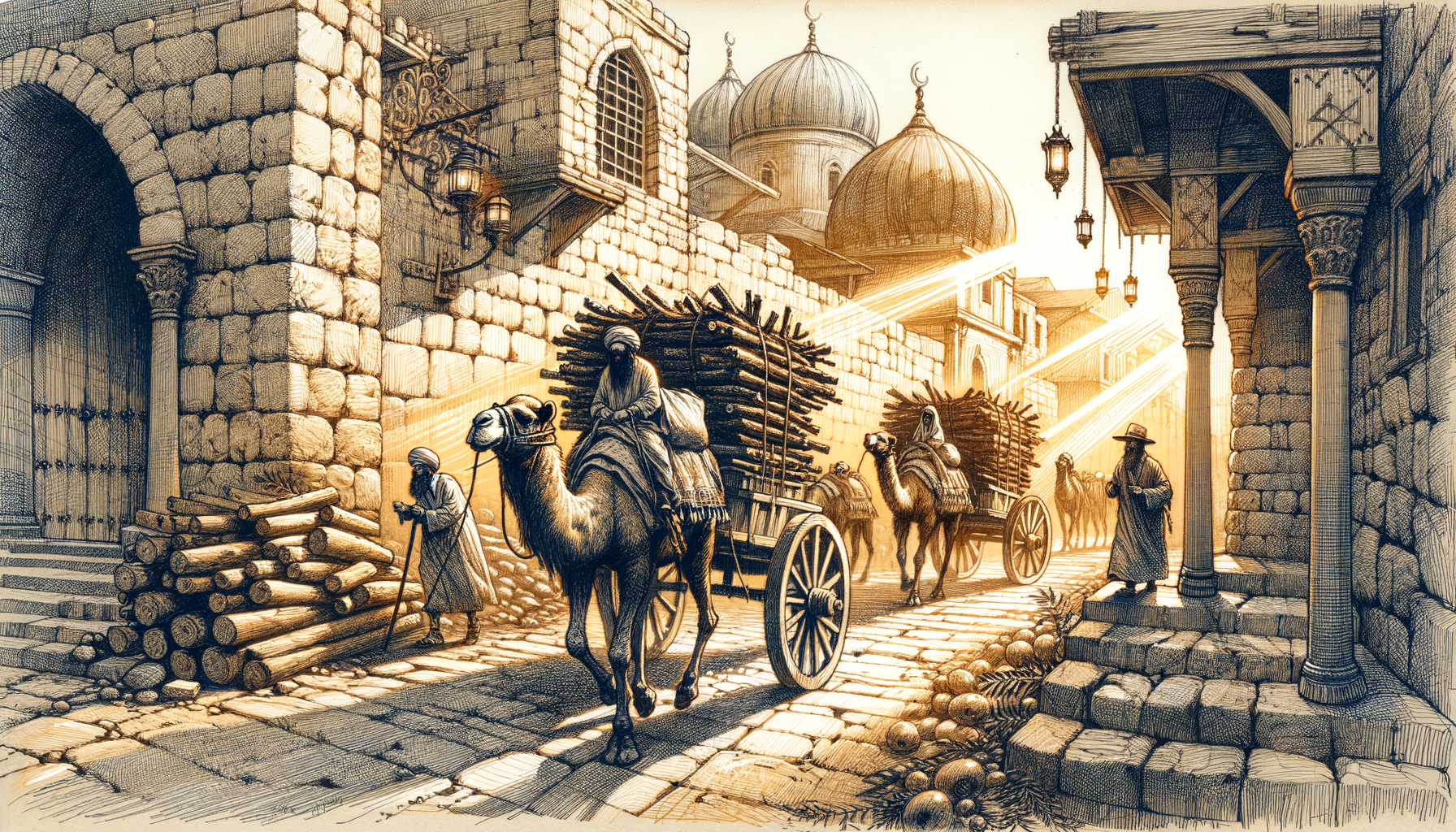
Sidon, or Tzidon in Hebrew, is often considered the older of the two cities. It was a major center for shipbuilding and glassmaking, industries that contributed to the Phoenicians’ reputation as master craftsmen and navigators.
Like Tyre, Sidon was deeply involved in trade. Its merchants reached as far as North Africa and the Iberian Peninsula. The city’s influence extended across the Mediterranean, shaping the cultures of many coastal civilizations.
Sidon also appears in several biblical stories. It was the hometown of Jezebel, the Phoenician princess who married King Ahab of Israel. This connection brought Phoenician religious practices into Israel, leading to significant cultural and spiritual tensions.

Phoenicia: The Civilization Behind the Cities
Tyre and Sidon were not isolated city-states; they were part of the broader Phoenician civilization. The Phoenicians were Semitic people known for their seafaring skills, trade networks, and the development of the alphabet that influenced Greek and Latin scripts.
Their language, culture, and religious practices spread throughout the Mediterranean. They established colonies, including the famous city of Carthage in North Africa. The legacy of Phoenicia lives on in the alphabets we use today and in the cultural exchanges they facilitated.
Understanding the Phoenicians helps us appreciate the significance of Tyre and Sidon. These cities were not just local powers—they were global influencers in the ancient world.

Biblical Encounters with Tyre and Sidon
Tyre and Sidon are mentioned numerous times in the Bible, often as neighboring cities to Israel. Their interactions with the Israelites were complex, involving trade, alliances, and spiritual challenges.
Prophets like Elijah traveled to these cities. In one story, Elijah visits a widow in Zarephath, a town near Sidon, during a famine. This encounter highlights the human connections that transcended borders and cultures.
These cities also served as symbols in prophetic literature. Their wealth and pride were often contrasted with humility and faithfulness, offering moral lessons to the people of Israel.

Archaeological Discoveries and Modern Insights
Modern archaeology has uncovered many treasures from Tyre and Sidon. Excavations have revealed temples, harbors, and artifacts that tell the story of these vibrant cities. These findings help us piece together the daily lives of their inhabitants.
In Tyre, archaeologists have found remnants of the ancient causeway, Roman roads, and public buildings. Sidon has yielded burial sites, mosaics, and inscriptions that shed light on Phoenician beliefs and customs.
These discoveries not only confirm historical accounts but also deepen our emotional connection to the people who once lived there. They remind us that history is not just about dates and names—it’s about real lives, families, and communities.
Understanding Tyre and Sidon