
How Shein’s Popularity in Israel Impacts Local Communities and Small Businesses


In recent years, the fashion world has seen a dramatic shift. Online retailers like Shein have taken center stage, offering trendy clothing at remarkably low prices. In Israel, this global trend has not gone unnoticed. But behind the convenience and affordability lies a deeper story—one that touches the heart of Israeli communities, small businesses, and the values we hold dear.
The Rise of Shein in Israel
Shein, a Chinese-based online fashion retailer, has become a household name around the world. In Israel, especially among younger consumers, Shein’s appeal is undeniable. With just a few clicks, shoppers can access thousands of clothing items, often at prices lower than those found in local stores. The convenience of home delivery and the allure of fast fashion have made Shein a go-to for many.
But this rise in popularity comes with consequences. While consumers enjoy the benefits of low-cost fashion, small businesses in Israel—many of which rely on local foot traffic and loyal customers—are feeling the pressure. The competition is steep, and the challenges are real.
For many Israeli artisans and shop owners, the question is not just about sales, but about survival. How can a small, family-run business compete with a global giant that offers mass-produced items at a fraction of the price?
The Heartbeat of Israeli Small Businesses
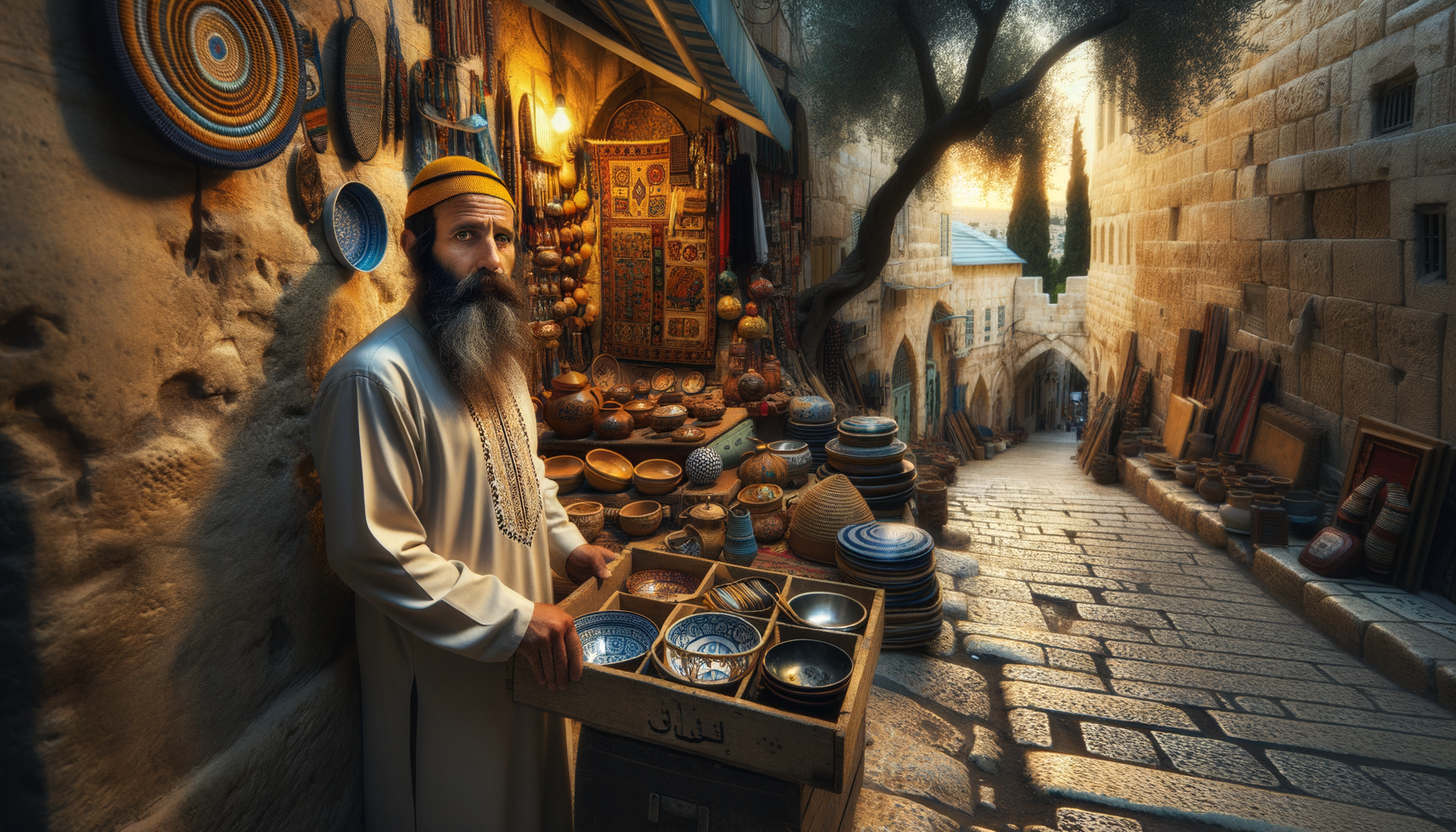
Israel’s small businesses are more than just shops—they are the lifeblood of communities. From the bustling markets of Jerusalem to the quiet workshops in the Galilee, these businesses represent generations of craftsmanship, tradition, and resilience.
Each handmade item tells a story. Whether it’s a handwoven scarf, a piece of jewelry crafted from local stones, or a jar of honey harvested from desert hives, these products carry with them the soul of the land and the people who make them.
When consumers choose mass-produced items from overseas, they may unknowingly bypass these stories. The impact is not just economic—it’s cultural and emotional. It’s about preserving heritage and supporting families who pour their hearts into their work.
The Emotional Cost of Fast Fashion
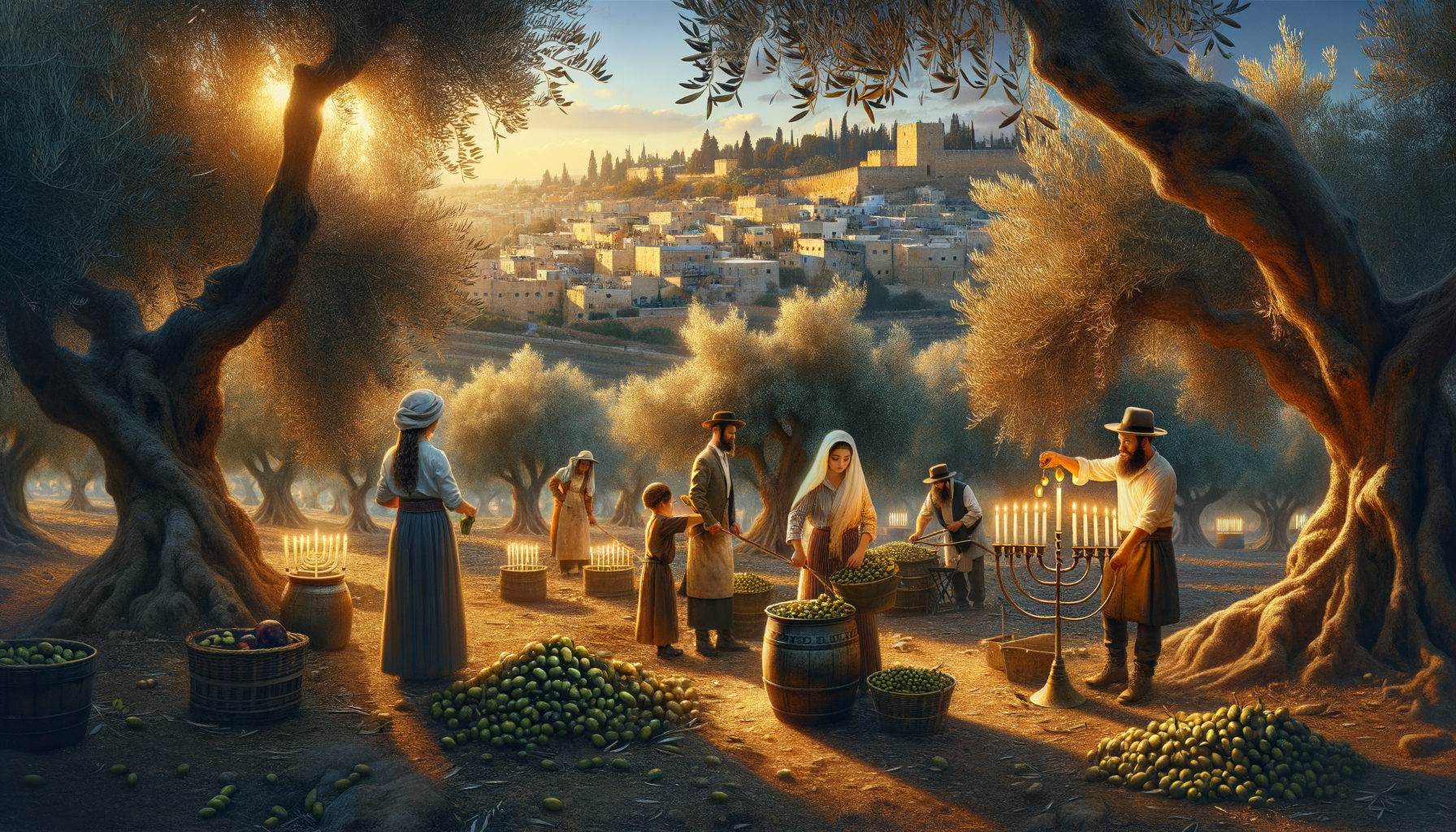
Fast fashion, while convenient, often comes at a hidden cost. Beyond the environmental concerns, there’s an emotional toll—especially in places like Israel, where community and connection are deeply valued.
When local businesses close their doors, it’s not just a loss of income. It’s a loss of identity, of tradition, and of personal connection. For many families, their small business is more than a livelihood—it’s a legacy.
Supporting local doesn’t just mean buying a product. It means choosing to invest in people, in stories, and in a shared future. It’s a way of saying, “I see you. I value what you do.”

A Shift Toward Conscious Consumerism
Thankfully, there is a growing awareness among Israeli consumers. Many are beginning to ask deeper questions: Where was this made? Who made it? What impact does my purchase have?
This shift toward conscious consumerism is a hopeful sign. It reflects a desire to align values with actions—to support businesses that reflect the heart and soul of Israel.
Organizations and initiatives are emerging to help bridge the gap between consumers and local makers. Platforms that highlight Israeli artisans, like Lev Haolam, are playing a vital role in this movement.
The Role of Lev Haolam in Supporting Israeli Makers
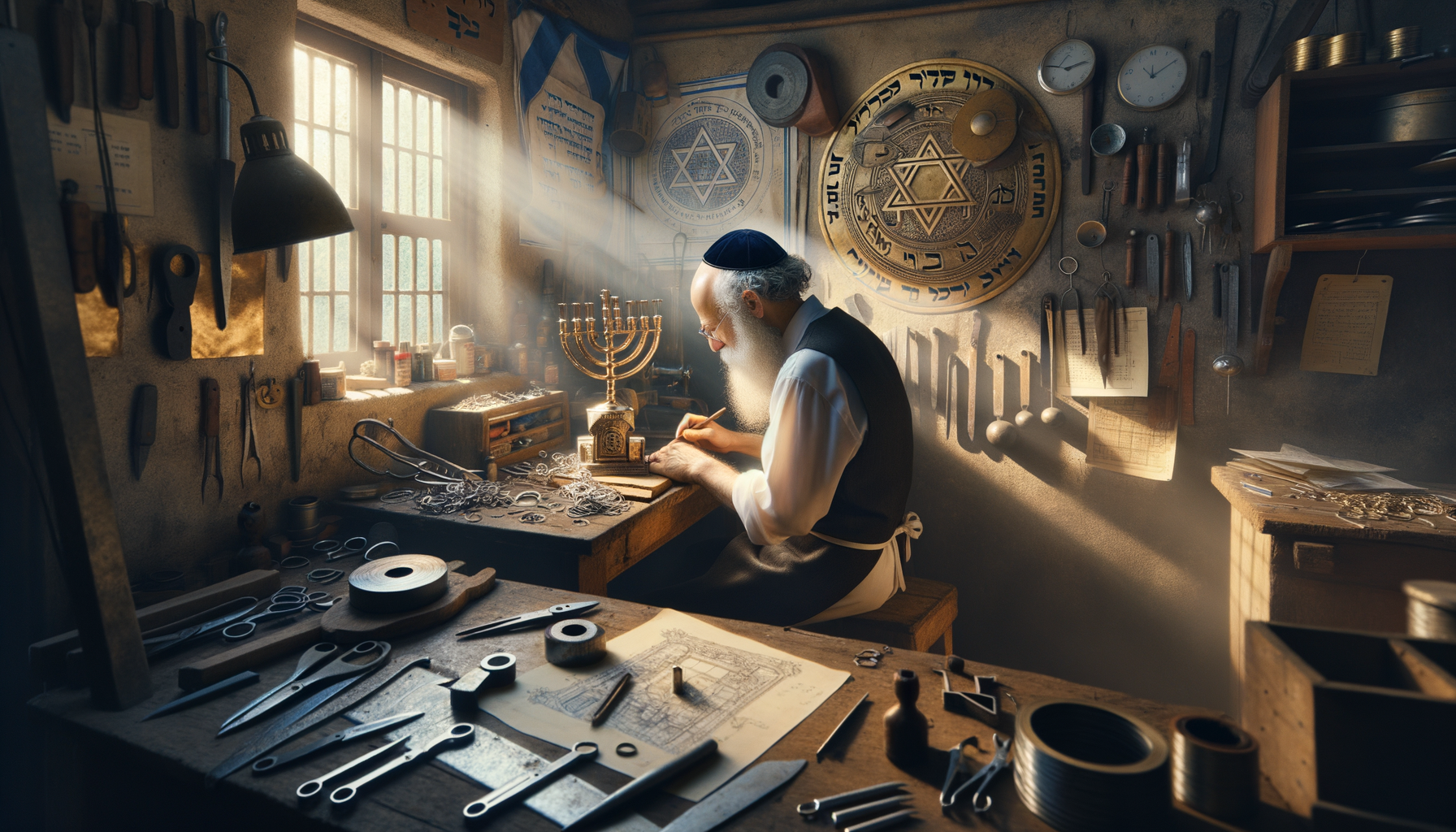
Lev Haolam was created with a mission: to connect people around the world with the heart of Israel through meaningful, handcrafted products. Each gift box tells a story—not just of the items inside, but of the people who made them.
By subscribing to Lev Haolam, supporters receive a monthly box filled with products made by Israeli families and small businesses. From olive oils to ceramics, from natural skincare to sweet treats, every item is chosen with care.
More importantly, each purchase helps sustain a livelihood. It allows a mother to keep her home-based business running. It helps a father teach his children the craft passed down from his own parents.
Understanding Shein's Presence in Israel